1. TỔNG QUAN VỀ MÁY SẤY BÙN
A sludge dryer is equipment designed to remove water from sludge (a mixture of insoluble solids and liquid) through a heating process. Industries primarily use sludge drying systems in wastewater treatment plants to treat dewatered sludge. In addition, manufacturers apply sludge dryers in paper production, food residue processing, chemical industries, and other industrial applications.
The main function of a sludge dryer is to evaporate moisture from sludge. Several types of sludge drying equipment are available, including:
Hollow shaft paddle sludge dryer
Rotary drum sludge dryer
Belt sludge dryer / enclosed cabinet dryer

A sludge dryer reduces sludge mass and volume, which simplifies transportation and lowers sludge disposal costs.
2. OPERATING PRINCIPLE OF SLUDGE DRYER
The sludge dryer operates on a straightforward principle. It creates a high-temperature environment to evaporate moisture from sludge.
Common drying methods include:
2.1 Direct Drying
In direct drying, sludge or materials come into direct contact with a heat source (typically hot air).
Typical examples include:
Rotary drum sludge dryer
Belt sludge dryer / enclosed cabinet dryer
Rotary Drum Sludge Dryer
The drum is installed at a slight inclination angle of 1–5 degrees. Continuous rotation moves sludge gradually toward the discharge end by gravity.
Internal lifting flights or paddles lift sludge and allow it to fall repeatedly, which disperses the sludge evenly inside the drum.
A hot air stream (generated from a furnace or steam source) enters the drum. The sludge contacts hot air directly, allowing rapid evaporation of moisture. However, this method generates a significant amount of dust, which requires dust control treatment.
Belt Sludge Dryer / Enclosed Cabinet Dryer
The system spreads wet sludge evenly in thin strands on a mesh conveyor belt inside a closed drying chamber with high temperature and very low humidity (achieved through a dehumidification system).
The system uses hot air or radiant heat to evaporate moisture. Although sludge still contacts hot air directly, minimal agitation reduces dust generation significantly. Heat transfer efficiency depends on strand thickness and sludge characteristics.
2.2 Indirect Drying
In indirect drying, sludge does not contact the heat source directly. The system transfers heat through a heat exchanger (tubular or paddle type).
Typical examples include:
Indirect rotary sludge dryer
Hollow shaft paddle sludge dryer
Indirect Rotary Sludge Dryer
This system operates similarly to a direct rotary dryer. However, instead of contacting sludge directly, the heating medium flows through a central tube or jacket surrounding the drum.
Heat transfers through the metal surface and indirectly heats the sludge. The system has lower heat transfer efficiency due to limited contact surface area, which increases equipment size and energy consumption. However, the design is simple, cost-effective, and reduces dust generation compared to direct drying systems.
Hollow Shaft Paddle Sludge Dryer
The heating medium (hot air, steam, or hot water) flows inside hollow paddles. Heat transfers through the metal surface to the sludge layer.
This system achieves high heat transfer efficiency because the paddle surface area is large. However, paddle movement may generate significant dust, and the complex structure increases fabrication cost.
3. APPLICATIONS OF SLUDGE DRYER
Sludge dryers are widely used in wastewater treatment and industrial processes.
3.1 Wastewater Treatment Applications
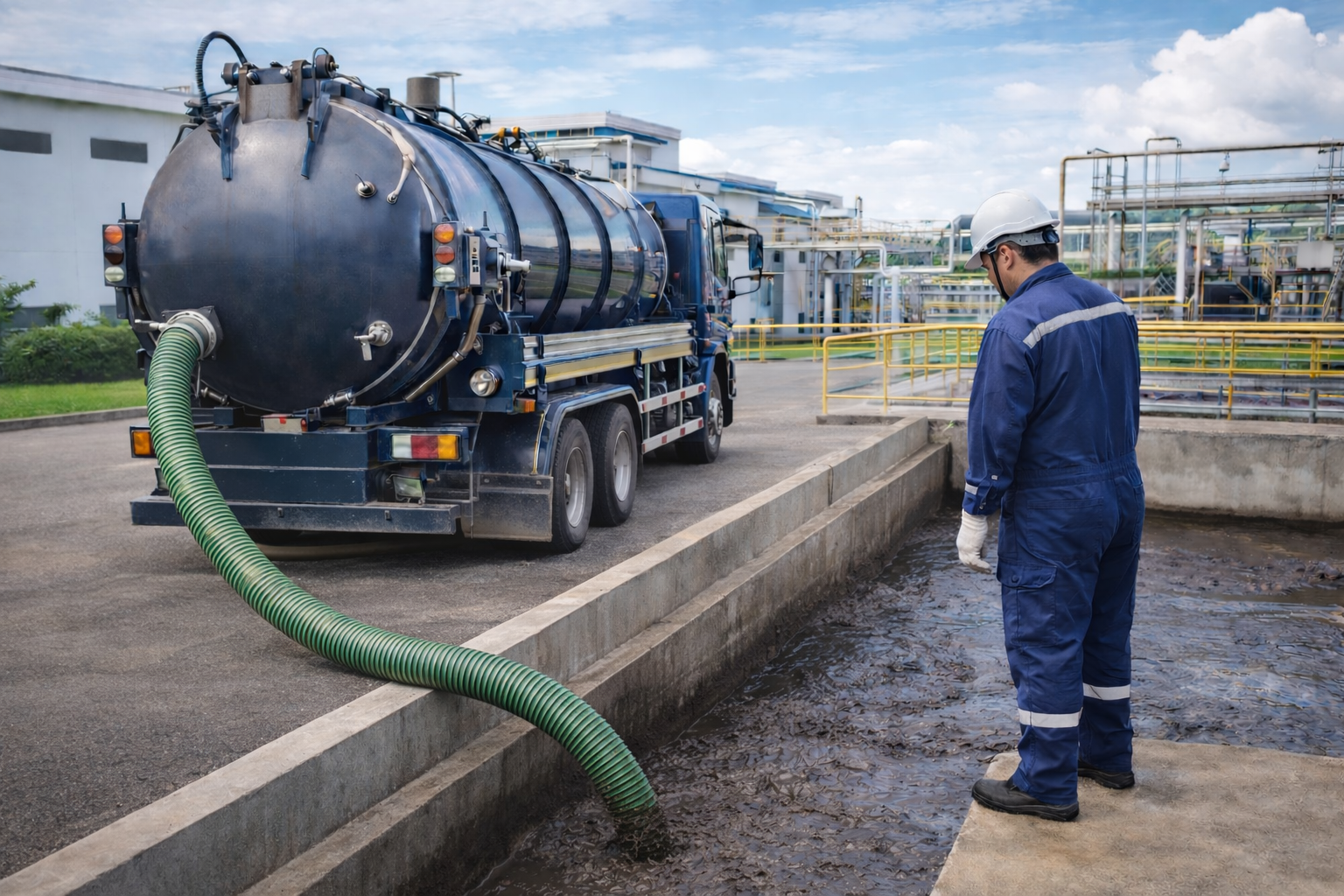
Wastewater treatment processes generate sludge after mechanical dewatering (e.g., filter press). Even after dewatering, sludge moisture content typically remains 50–80%.
Drying reduces sludge volume and weight significantly, which lowers sludge disposal costs for treatment plants.
3.2 Food Processing Industry
Food production facilities generate sludge-like waste such as coffee grounds, oil extraction residue, and fruit peels. A sludge dryer reduces moisture, volume, and weight. Factories can reduce disposal costs or reuse dried material as boiler fuel or fertilizer.
3.3 Paper Industry
Sludge dryers remove moisture from paper fiber sludge. Dried paper sludge has high calorific value and can be reused as biomass fuel in the plant to reduce energy consumption.
3.4 Mining Industry
Mining operations generate ore sludge and fine slurry during flotation and washing processes. Sludge drying systems recover water and produce dry material suitable for long-distance transportation.
After packaging, operators transport dried material for further treatment or use it as input for other production processes.
3.5 Role of Sludge Dryer in Industrial Wastewater Treatment and ZLD Systems
In industrial wastewater treatment, the sludge dryer typically operates at the final stage of the process. After biological, physicochemical, membrane, or evaporation treatment, the remaining sludge still contains high moisture content and requires further drying.
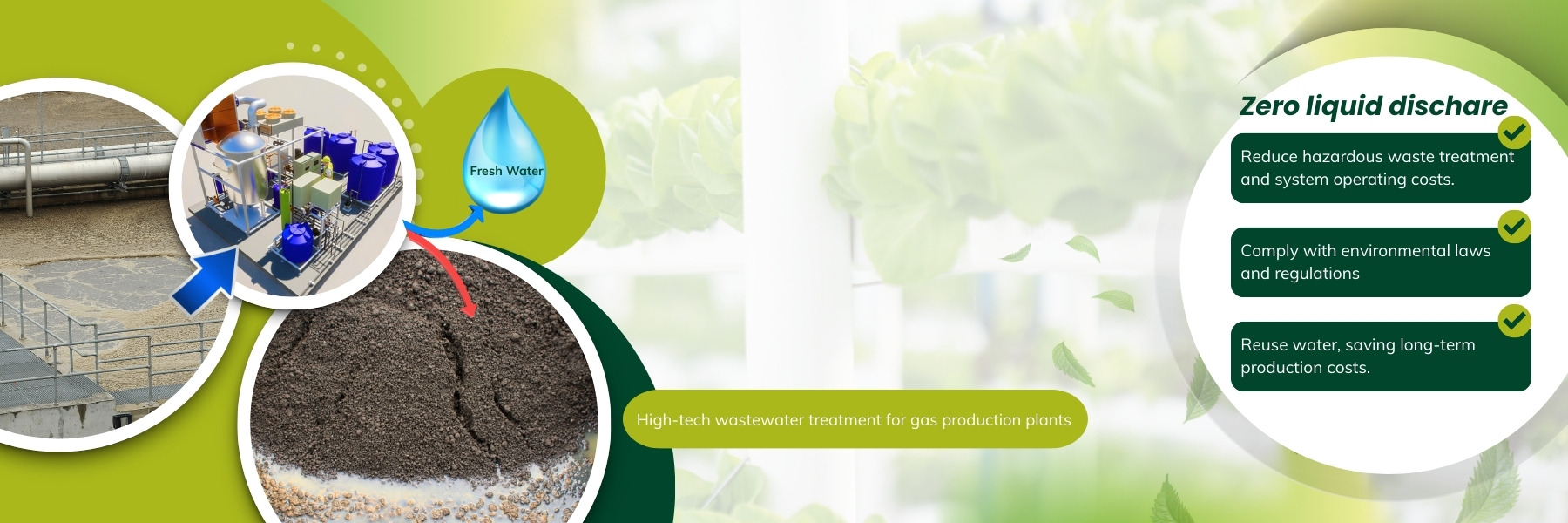
In Zero Liquid Discharge (ZLD) systems, the sludge dryer plays a critical role. ZLD systems recover reusable water and convert remaining waste into solid form. After evaporation or crystallization, the sludge dryer reduces moisture content and minimizes final disposal volume.
By installing a sludge dryer at the end of the process, the plant:
Reduces hazardous waste volume,
Lowers transportation and disposal costs,
Achieves full compliance with ZLD objectives.
The sludge dryer therefore acts as a key component in sustainable industrial wastewater management.
4. Key Advantages of Purchasing Sludge Drying Equipment from TVTS
✅ Treatment capacity range: 5 tons/day to 50 tons/day
✅ Maximum allowable inlet moisture: 90%
✅ Competitive pricing: TVTS fabricates equipment in Vietnam based on specific requirements, which reduces cost compared to imported products
✅ Easy operation and maintenance
✅ Energy-efficient performance
✅ Long-term warranty throughout the product life cycle
✅ Free installation and commissioning at the factory site.

Some of the projects we have been and are doing