1. Evaporation Equipment
1.1 What is an Evaporator?
An evaporator is a process unit that converts a liquid into vapor by applying heat and/or vacuum (pressure reduction). Typical purposes include concentrating a solution, separating components, or removing solvents. Evaporators are widely used across food & beverage, chemical processing, pharma, and environmental engineering.

1.2 Operating Principle
Evaporators utilize thermal energy and/or vacuum to vaporize the volatile fraction (typically water) from a liquid stream. The resulting products are:
Permeate/condensate (recovered water after vapor condensation), and
Concentrate (retentate with increased solids/salts/organics).
Depending on process goals, the target product can be clean water for reuse, a concentrated stream, or a crystallized solid.
1.3 Role & Benefits of Evaporation
Evaporation solutions are a critical part of many industrial flowsheets, delivering cost-effective concentration, water recovery, and product preservation, thereby improving productivity and ROI.
Key benefits
Solution concentration: Remove solvent to obtain a higher-strength liquid or a solid (with crystallizers). Common in F&B, pharma, and chemicals.
Water recovery: Reclaim water from waste streams and brines for reuse or to reduce downstream treatment volumes.
Product stability: In F&B, removing excess moisture can slow microbial growth and extend shelf life.
Energy efficiency: Modern designs integrate:
Heat recovery / heat-pump vacuum evaporation (HPVE)
Multi-Effect Evaporation (MEE)
Mechanical Vapor Recompression (MVR) …to cut energy consumption and OPEX.
Environmental performance: Lower discharge volumes and conserve freshwater by recovering permeate.
Flexibility: Highly configurable for different feed chemistries and operating envelopes (capacity, temperature, concentration, materials compatibility), ensuring optimal performance per application
2. Wastewater evaporator
2. TVTS Wastewater Evaporators
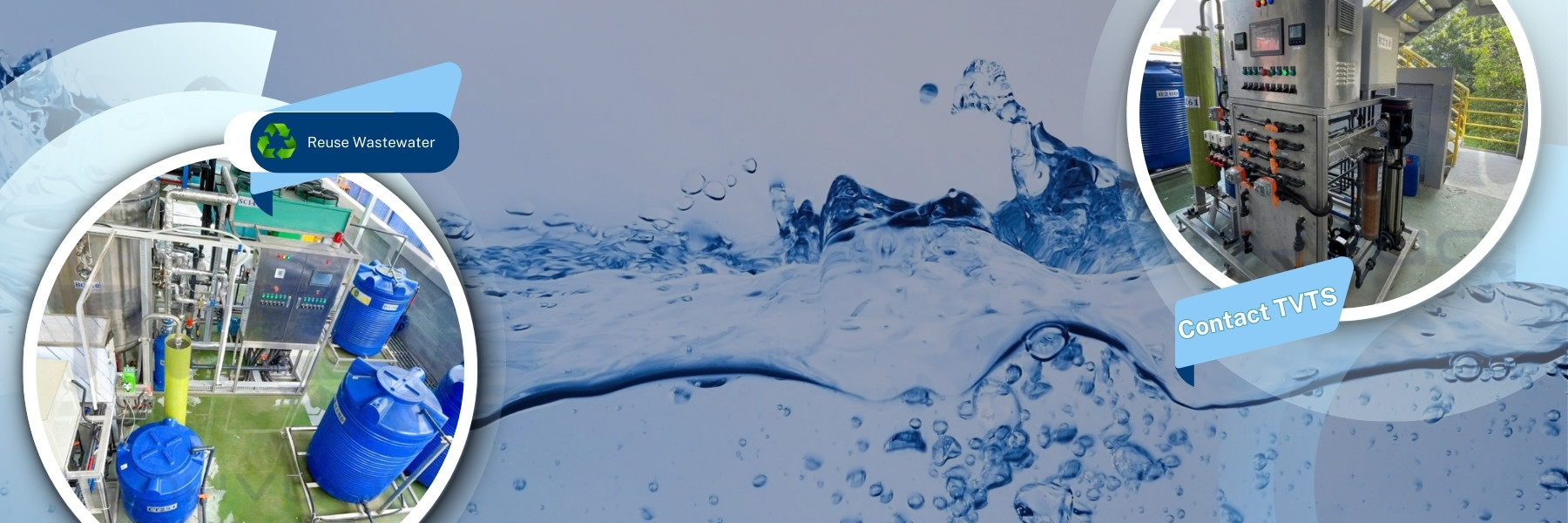
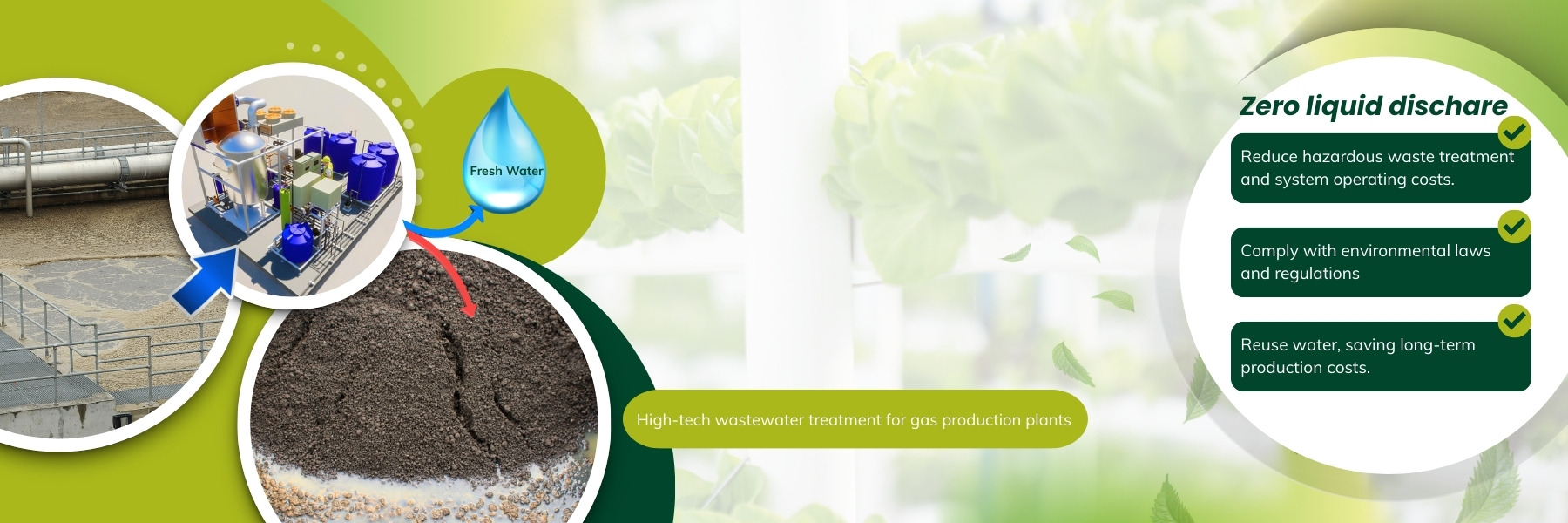
Wastewater evaporators remove water from waste streams containing dissolved/particulate contaminants. They are widely applied in water & wastewater engineering to meet discharge standards, enable reuse/recycle, or achieve Zero Liquid Discharge (ZLD). Alternate terms: wastewater evaporator, liquid waste concentrator, evaporation system, waste concentrate system, etc

2.1 Why FDI Manufacturers Choose TVTS Evaporation
Compliance & ESG: Reuse/ZLD-oriented designs to meet tightening environmental regulations; audit-ready documentation.
Performance & OPEX: Recover 60–90% clean water; reduce off-site disposal volumes and costs.
Automation: SCADA/IoT, data traceability, stable operation, early-warning alarms.
Proven in Vietnam: On-site pilot modules to test with real wastewater and generate decision-grade numbers.
Target industries: Electroplating, electronics, metal finishing, chemicals, paints/textiles, landfill/WtE leachate, RO reject/concentrate polishing.
2.2 Principles & Technology Configurations
2.2.1 Process Principle
Wastewater is heated (and commonly placed under vacuum) so that water vaporizes. Vapor is then condensed to produce permeate (condensate) for reuse, leaving a concentrate that may be further treated (e.g., crystallization) to reach ZLD.
TVTS technology selections (based on feed chemistry and Reuse/ZLD goals):
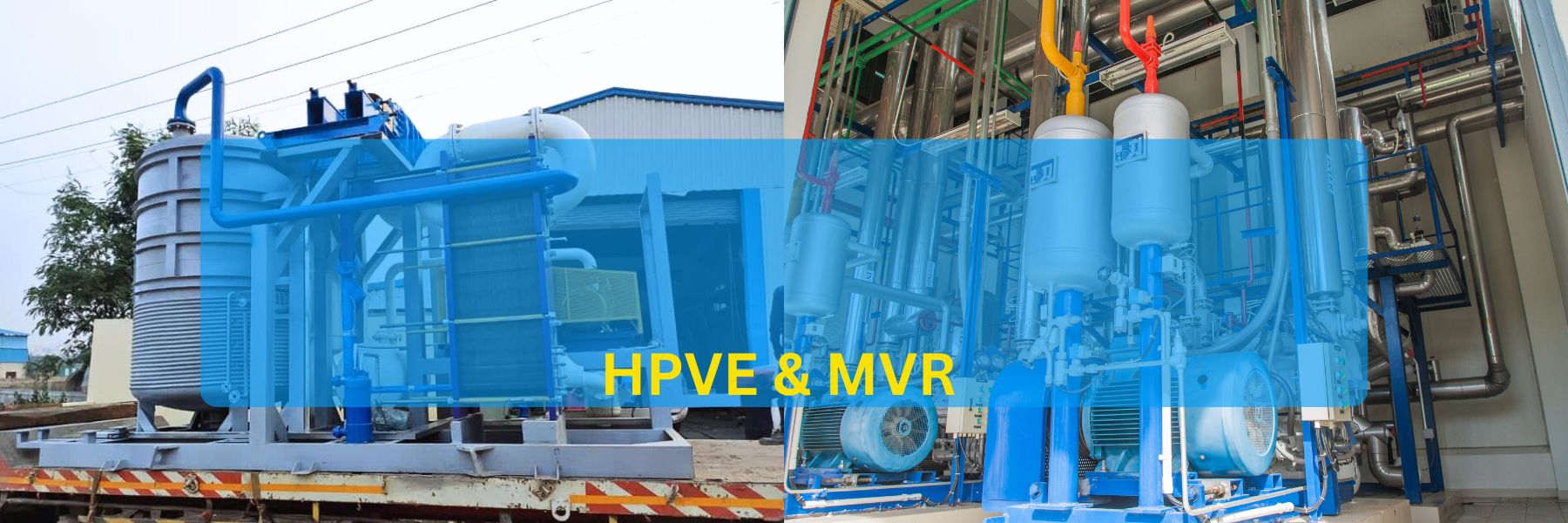
Heat Pump Vacuum Evaporation (HPVE): Low-temperature vacuum evaporation using a heat pump; ideal for 2–10 m³/d; suitable for thermally sensitive/corrosive feeds (moderate).
MEE – Multi-Effect Evaporation: Multiple effects to cascade heat; best for 10–100 m³/d with balanced OPEX.
MVR – Mechanical Vapor Recompression: Recompress vapor for high energy efficiency at medium-to-large flows; typically ≥10 m³/d.
Forced Circulation: Enhanced heat transfer, fouling control; selected per TDS/viscosity/fouling risk.
Permeate can be polished (RO/IX/AC) prior to reuse. Concentrate can go to crystallization/solidification or licensed disposal to achieve ZLD.
2.2.2 Reference Configuration Table (indicative only; pilot testing is used to finalize design/OPEX)
| Model | Capacity (m³/d) | Recommended Technology | Specific Energy* | Water Recovery** | Wetted Materials | Options |
|---|---|---|---|---|---|---|
| TV-HPVE-EVP-02 | 2 | HPVE/Vacuum | 140–160 W/L | 60–85% | SUS316L / PP / PTFE | CIP, antifoam, polishing |
| TV-HPVE-EVP-05 | 5 | HVE / MEE | 140–160 W/L | 65–88% | SUS316L / 2205 | SCADA, RO polishing |
| TV-HPVE-EVP-10 | 10 | HVE / MEE | 140–160 W/L | 70–90% | 2205 / 2507 / FRP | CIP, crystallizer (ZLD) |
| TV-HPVE-EVP-20 | 20 | HVE / MEE | 140–160 W/L | 70–90% | 2205 / 2507 | Crystallization, dryer |
| TV-MEE-EVP-50 | 50 | MEE | 15–20 kWh/m³ | 70–90% | 2507 / Titanium (as required) | Crystallization, dryer |
| TV-MVR-EVP-100 | 100 | MEE / MVR | 15–20 / 50–60*** | 70–90% | 2507 / Titanium | Crystallization, dryer |
| TV-MVR-EVP-200 | 200 | MEE / MVR | 15–20 / 50–60*** | 70–90% | 2507 / Titanium | Crystallization, dryer |
* Specific energy as provided (note units differ by technology/scale); final figures depend on TDS/COD/solvents and utilities (steam/chilled water).
** Actual recovery depends on pre-treatment and Reuse/ZLD targets.
*** Depending on final MEE vs MVR duty split and site utilities.
For consistent comparisons, TVTS performs on-site pilot runs to determine W/L and achievable recovery with your actual wastewater.
2.3 Applications in Industrial Wastewater Treatment
Evaporators enable concentration, phase separation, and recovery of valuable constituents, and are especially compelling for difficult-to-treat streams where increasing concentration improves both technical and economic outcomes.
2.3.1 Electroplating, electronics, metal finishing
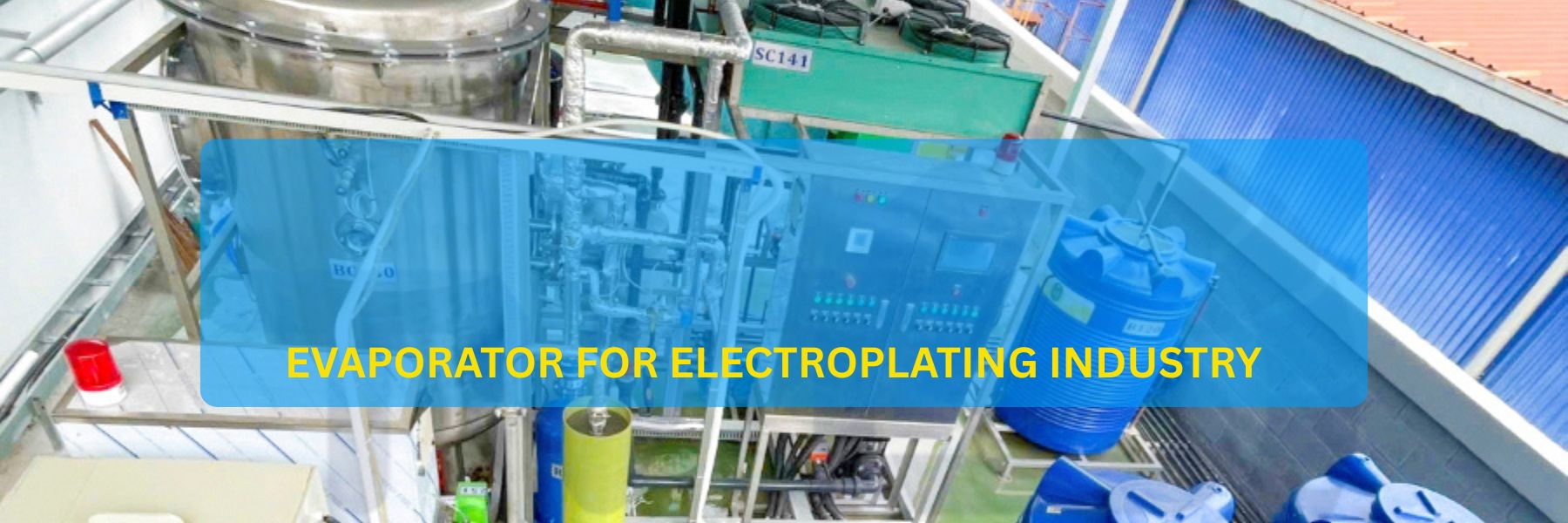
Feeds may contain heavy metals, complexing agents, poorly precipitating solvents, and toxics (e.g., cyanide, ammonia). Integrating evaporation delivers deep treatment, cuts off-site disposal costs, enables rinse-water reuse, and drives ZLD via crystallization of the concentrate.

2.3.2 Food & beverage
When the objective is water reuse or recycle back to process (e.g., utilities/cleaning), evaporation can complement primary/secondary treatment to achieve stable reclaimed water quality.
2.3.3 Paints, chemicals, textiles, inks, leather
High organics, additives, solvents, dyes (azo, aniline, phenolic) typically require chem-phys + membranes. TVTS references show up to ~80% water recovery with membrane trains; adding evaporation helps push reuse and, where mandated, reach ZLD. Recommended flow: RO → Evaporation → Crystallization.
2.3.4 Boiler blowdown, chiller blowdown, RO reject
Typically salt-rich and not suitable for biological treatment. Evaporation + polishing (IX/RO) enables reuse.
2.3.5 Small-to-very-small capacity sites
For plants with low discharge volumes and limited footprint, a compact evaporator can replace a large tank farm while still achieving high effluent quality.

2.3.6 Hazardous wastewater, landfill leachate, WtE; RO concentrate management
Evaporation/crystallization provides a robust path to ZLD for high-TDS/high-contaminant streams.
2.4 Integration & Materials
2.4.1 Integration
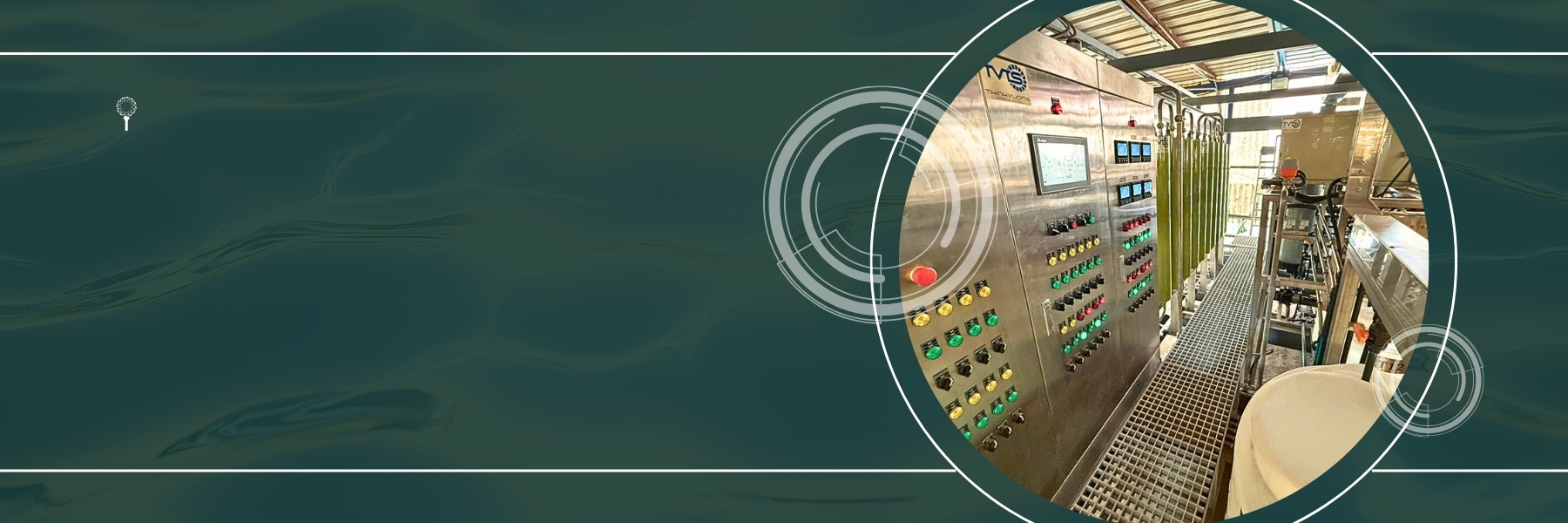
Typical scope: pre-treatment (fine filtration, oil removal), antifoam, auto-CIP, condensate polishing (RO/IX/AC), heat recovery, SCADA/IoT (ESG reporting).
2.4.2 Materials of Construction
Common wetted materials: SUS316L, Duplex 2205/2507, Titanium, and PP/FRP/PTFE for corrosive duties.

2.5 Performance & OPEX (reference)
Water recovery: 60–90% (dependent on TDS/COD and Reuse/ZLD targets).
Specific energy: ~12–55 kWh/m³ (range across MVR/MEE/HVE and duty).
Off-site disposal cost reduction: ~25–60% by reducing liquid waste volume.
Payback: Typically 24–48 months for 5–10 m³/d when water reuse value is clear.
[Submit a wastewater sample & request a pilot report] – TVTS provides modular pilot units for on-site trials.
3. A Trusted Wastewater Evaporator Partner
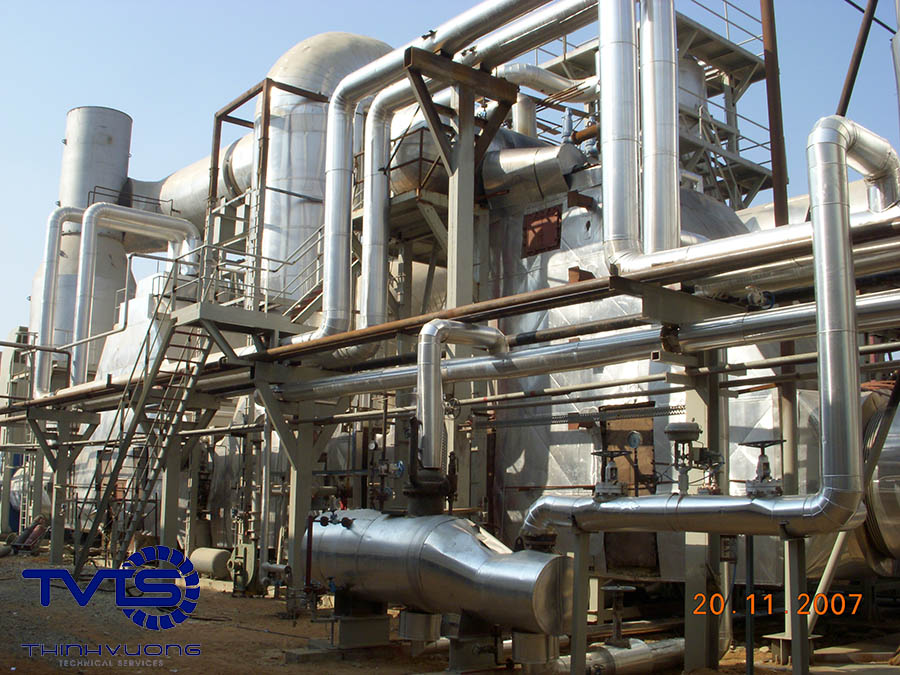
TVTS is capable of designing, manufacturing, and assembling evaporation systems in Vietnam to serve a wide range of applications, including industrial wastewater treatment, difficult and hazardous wastewater, as well as concentration of salts and specialized brine solutions.

In addition to in-house fabrication, TVTS also supplies evaporation systems from leading manufacturers worldwide (Germany, Italy, USA, Japan, Korea, China, India, etc.), allowing us to select the most suitable technology for each project based on technical and economic requirements.
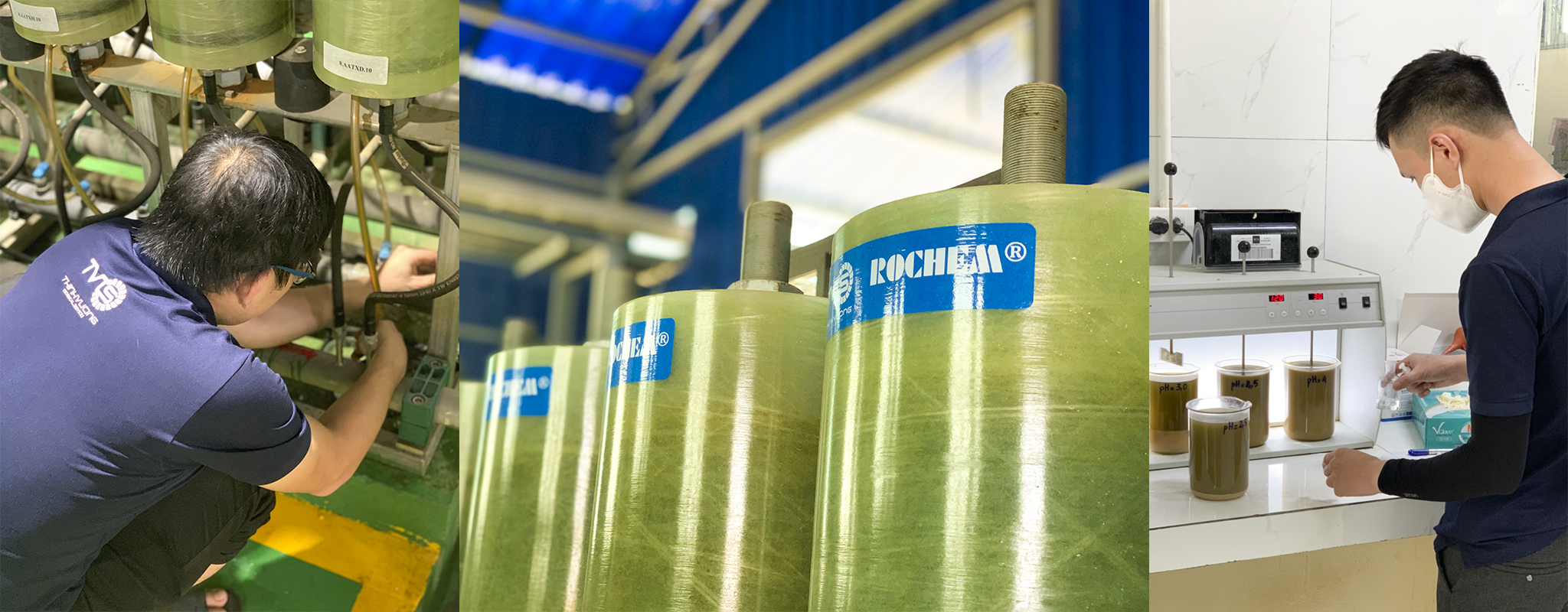
With hands-on experience from multiple projects in Vietnam, TVTS has developed strong expertise in delivering fit-for-purpose evaporation solutions. We maintain modular pilot evaporation units that can be deployed directly at the customer’s site for real wastewater testing. These on-site trials provide reliable data on system performance, enabling accurate design adjustments, optimized process configurations, and well-informed investment decisions.
Beyond system delivery, TVTS provides long-term warranty, maintenance, and after-sales services, ensuring stable operation, performance optimization, and continuous support throughout the lifecycle of each system.
3.1 Project Delivery Workflow
Survey & data capture: 24-h flow profile, TDS/COD/metals, pH, oils/solvents, utilities, footprint.
On-site pilot (3–10 days): Measure kWh/m³, % recovery, permeate quality.
Design & quotation: Finalize HPVE/MEE/MVR selection, materials, polishing.
Build – Install – SCADA: FAT/SAT, training, SOP/CIP, safety.
Operate & optimize: Warranty, SLA, IoT/ESG dashboards, periodic reporting.
Value: High treatment efficiency, optimized CAPEX/OPEX, automation & safety, and remote supervision.

3.2 Reference Projects (high-level)
FDI – Electroplating (5 m³/d): HPVE + RO → 92% recovery, –42% off-site cost, ~30-month payback.
Electronics (10 m³/d): MEE + crystallizer → ZLD, –95% liquid waste.
Chemicals (110 m³/d): MVR + SCADA → ~23 kWh/m³ OPEX, stable operation, automated ESG reporting.
[See N₂O industrial gas wastewater – 10 m³/d – 100% ZLD] • [See RO reject concentration & polishing]
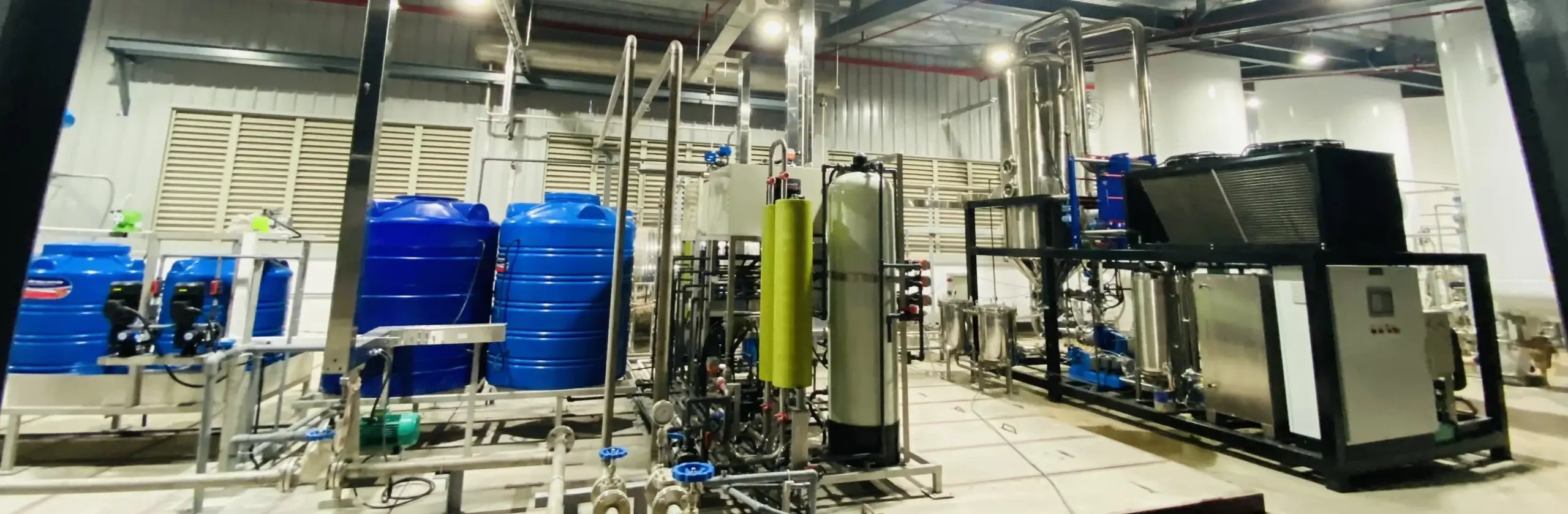
Need a fit-for-purpose evaporation system? TVTS is ready to support your site selection, design, and investment approval to meet green standards, improve discharge quality, and enable reuse or full ZLD. Thank you.
Frequently Asked Questions
1) When should I choose HVE, MEE, or MVR?
HVE (2–10 m³/d): Low-temperature vacuum; favorable for thermally sensitive feeds.
MEE (≥10 m³/d): Balanced CAPEX/OPEX via multi-effect heat integration.
MVR (≥10 m³/d): Lowest specific energy at medium-to-large scales; OPEX-driven.
2) Can the permeate be reused directly?
Usually polishing (RO/IX/AC) is applied to meet the reuse specification of the target process step (e.g., rinsing, solution make-up).
3) How is the concentrate handled?
Industry-dependent; typically crystallization/solidification for ZLD or licensed third-party treatment.
4) What is a typical OPEX?
Depends on TDS/COD/solvents and utilities. For 5–10 m³/d, references are ~22–45 kWh/m³ (MEE/HVE/MVR). TVTS runs a pilot to confirm site-specific numbers.
5) What is the typical schedule?
Survey–pilot 2–4 weeks; design–build 8–14 weeks, depending on capacity and materials.
Evaporative system news
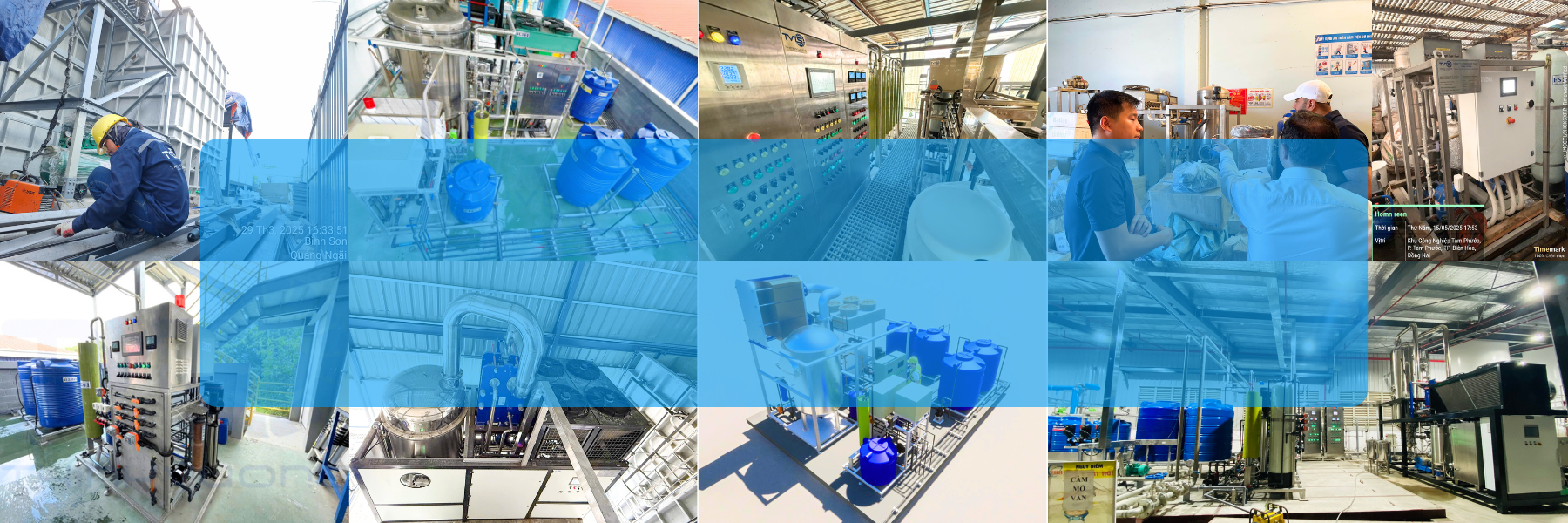
Some of the projects we have been and are doing