1. Why Wastewater Reuse Is Essential for Modern Industries?
1.1 What is wastewater reuse?
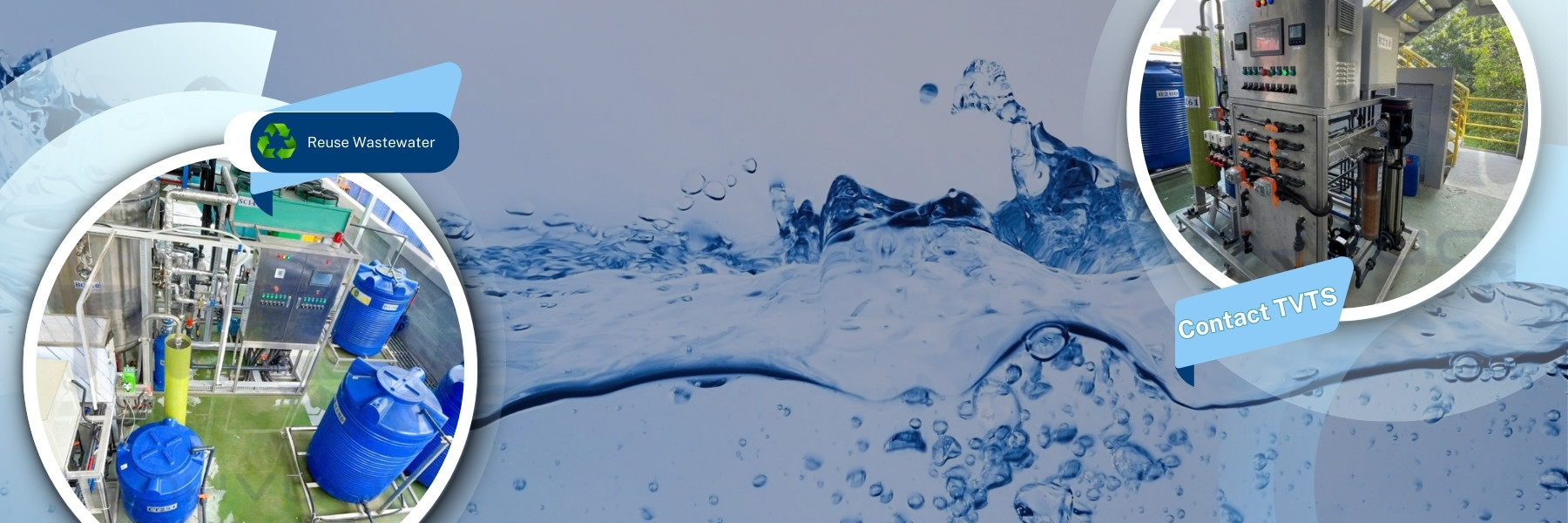
Wastewater reuse is the use of machinery and equipment to treat wastewater. The water after treatment meets clean water standards and is used for various purposes.
Water reuse helps to treat and use water resources more efficiently. This creates huge economic benefits for businesses and improves public health.
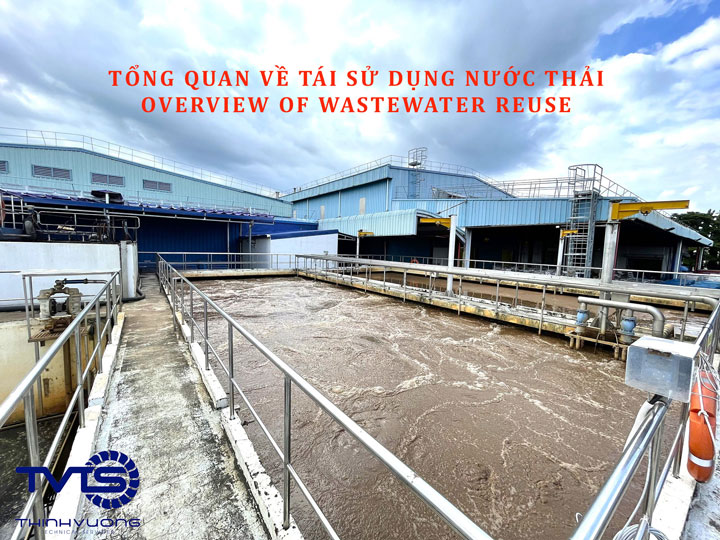
The process of treating wastewater for reuse is an effective way to exploit water. Putting exploited water into a closed cycle, not creating wastewater that pollutes and destroys the environment and ecosystem.
1.2 Understand wastewater treatment and use it properly after treatment
Water and wastewater reuse is the reuse of used water. Depending on the purpose of use and to achieve the desired water quality, the reused water is treated with different technological processes.
Therefore, when mentioning wastewater reuse, it does not mean that clean water after treatment must be pure water. The quality of water after treatment for reuse will depend on the specific purpose of each factory.
Treated wastewater can be used for:
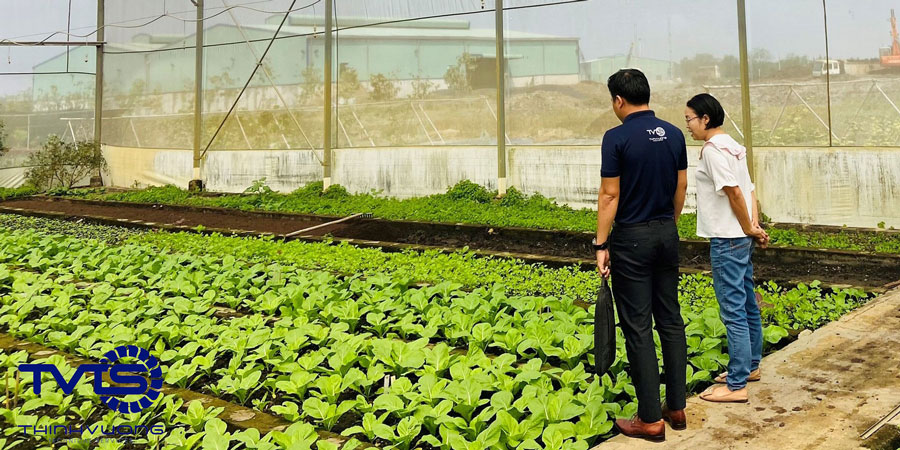
- Watering plants, maintaining green areas.
- Used for public toilet systems, cleaning industrial vehicles.
- Road washing, reducing the temperature of asphalt roads in hot seasons.
- Fire prevention.
- Reuse in manufacturing industries (cooling cooling towers, reusing in manufacturing processes, etc.).
1.3 Current status and feasibility of wastewater reuse in Vietnam
1.3.1 Current status of water resources in Vietnam
Vietnam is a country located in the tropical monsoon region, so it has a large amount of rainfall all year round, about 1500 to 2000 mm (source: Luat Hoang Phi).
The terrain features many rivers, canals, alluvial plains, and long coastlines, helping our country always have enough fresh water. But that does not mean we will not fall into a state of lack of clean water for use.
The state of water shortage will be alarming due to many objective and subjective reasons such as:
Water exploitation for production is not clearly planned.
Population and economy are growing, water demand is increasing.
The river system in our country is downstream, easily lacking water if upstream countries increase water exploitation.
Climate change makes floods and landslides increasingly common.
Rising sea levels, saltwater intrusion.
Faced with the increasing demand for water, while fresh water is increasingly degraded and depleted. We will soon face a shortage of clean water if we do not act.
1.3.2 Assessing the potential for wastewater reuse in Vietnam
Vietnam is a country with abundant freshwater resources, along with the strong development of industrial parks and factories. Producing a huge amount of wastewater every day. Therefore, the problem of water reuse here is very potential.
In addition, wastewater at most factories is being pre-treated and sent to the centralized wastewater treatment area of the industrial park. Enterprises have to pay a periodic fee for discharging wastewater to the centralized treatment area.
Moreover, there are many businesses that are very interested in the circular economy. Proactively installing and upgrading wastewater treatment systems of factories. Improving the quality of output water to meet standards for cleaning cargo vehicles, cooling asphalt roads, etc.
The government’s policies are promoting a green economy. Sustainable economic development with environmental protection. Therefore, wastewater recycling is always of interest and encouraged.
All clearly show that Vietnam is a very potential market in developing wastewater treatment systems with post-treatment water quality meeting clean water standards for use.
2. Difficulty in achieving wastewater quality requirements for reuse
Regarding the issue of wastewater reuse, the quality of wastewater after treatment must completely remove toxic, hazardous components, bacteria, viruses, etc. It is often necessary to meet the National Technical Regulations on clean water quality.
In particular, for the use of water in manufacturing industries. Factories will set out specific requirements for water quality indicators. This ensures that the reused water allows the standard to be met for the entire or part of the production process.
Below, we will introduce to readers some wastewater reuse technologies that bring many benefits to businesses.
3. TVTS Wastewater Reuse Technologies
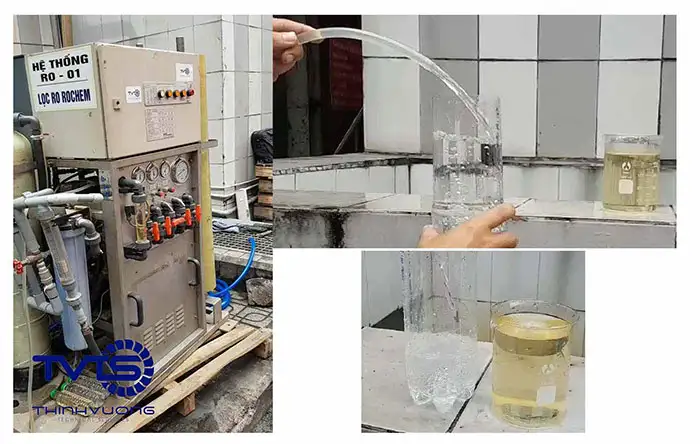
3.1 RO reverse osmosis membrane technology
At the top of the popular wastewater reuse technology today is the RO reverse osmosis membrane technology.
Membrane technology was born in the 50s of the last century. But it is undeniable that it is a great invention of scientist Oragin. RO membranes are improved and upgraded every day to overcome the disadvantages in the operation process.
The physical filtration mechanism only allows water molecules to pass through the membrane. Under the impact of high pressure and automatic cleaning system. To date, RO membrane technology is still the most popular and best water treatment technology.
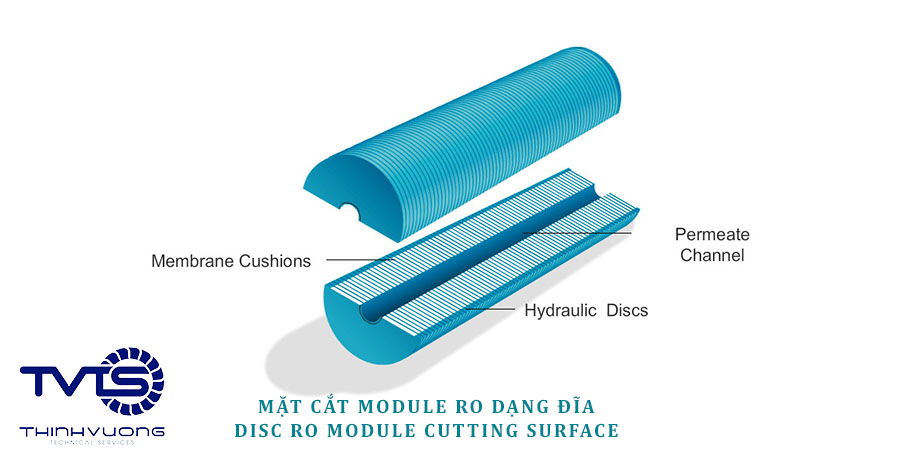
Using and integrating RO reverse osmosis technology into the wastewater treatment process brings high-quality water that meets reuse standards. Increases water recovery and reduces operating chemical costs.
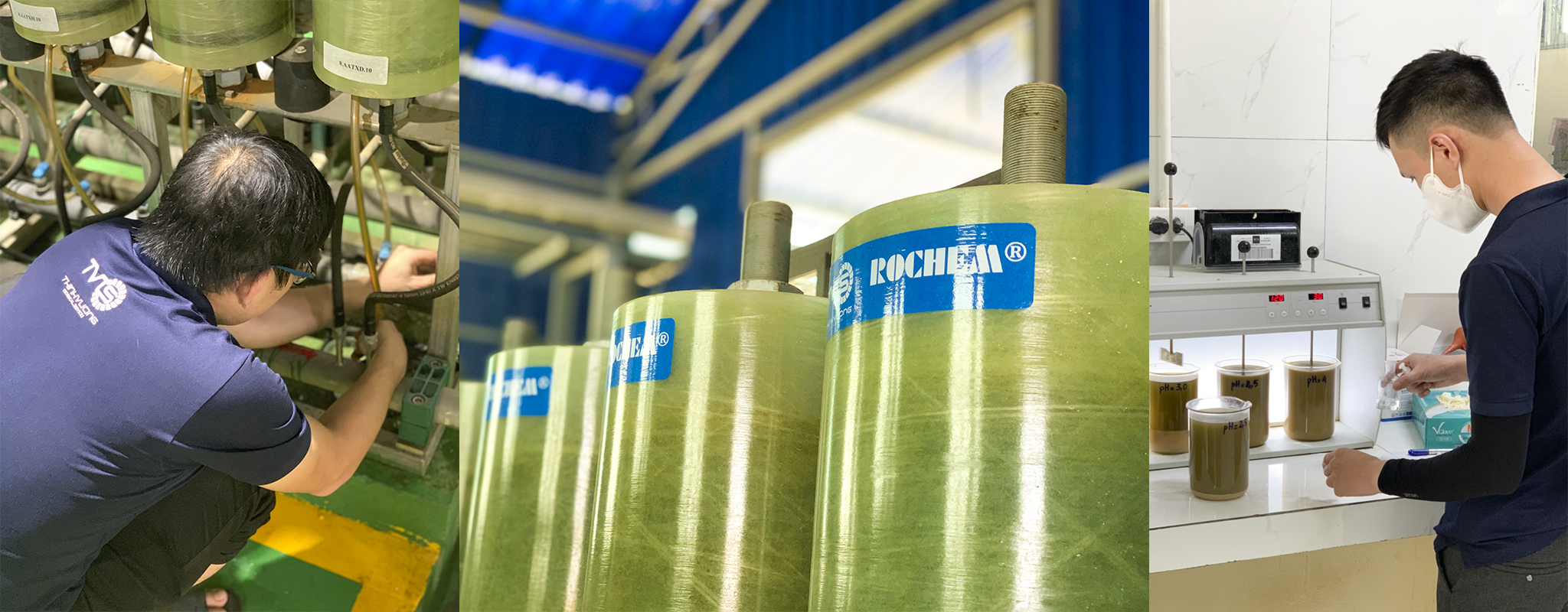
We have been cooperating with the world’s leading RO membrane manufacturers, such as:
– ROCHEM RO membrane, Germany.
– RO membrane company DUPONT Filmtec (formerly RO DOW Filmtec), USA.
– Unisol RO membrane, WTA Germany.
– Toray RO membrane.
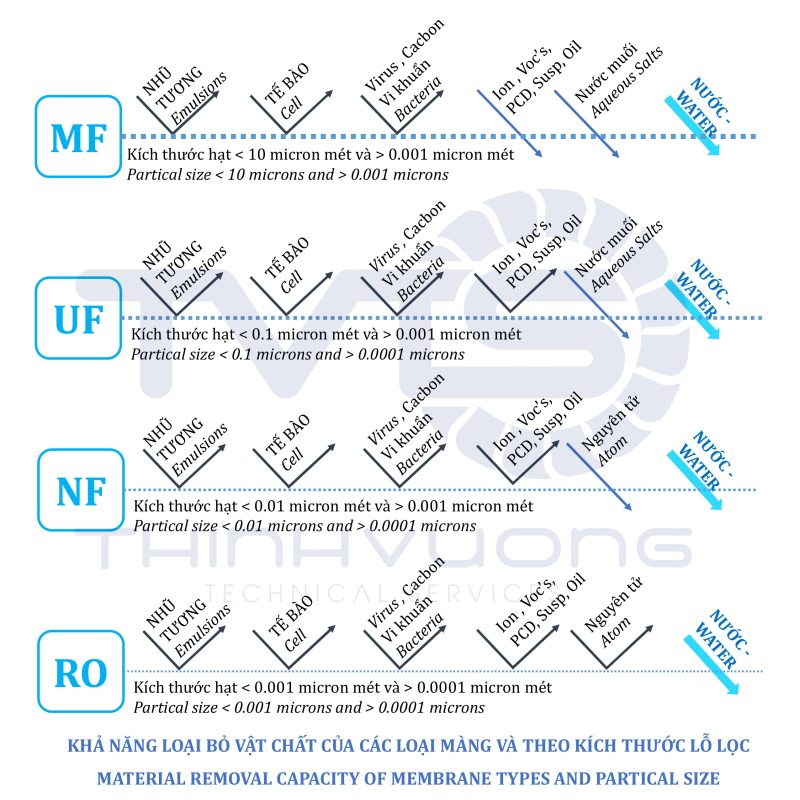
Sharing the same physical filtration mechanism as RO membrane, there are other types of filter membranes such as microfiltration (MF), ultrafiltration (UF), nanofiltration (NF). They are mainly used in combination with RO membranes to improve water treatment efficiency. MF, UF, NF differ in membrane pore size and material removal capacity.
3.2 Microfiltration (MF)
Microfiltration (MF) is the physical removal of suspended solids from water, through a membrane. Microfiltration is often used in conjunction with other separation processes such as ultrafiltration (UF) and reverse osmosis (RO).
The filters used in microfiltration have pore sizes of approximately 0.1 – 10 microns. Bacteria and suspended solids are the main elements that can be removed through microfiltration.
Typical applications for microfiltration (MF) systems are:
Pretreatment for another water treatment process.
Can be used for wastewater treatment.
Used for oil and water separation.
Disinfection of beverages and pharmaceuticals without loss of flavor.
Processing of dairy products while maintaining protein content.
3.3 Ultrafiltration (UF)
Ultrafiltration (UF) removes viruses, requiring slightly higher pressures to achieve this. Ultrafiltration filters have pore sizes of about 0.01 microns (or smaller).
UF membranes are used in the following processes:
- Purified water treatment.
- Wastewater treatment, wastewater reuse.
- Removal of pathogens from milk.
- Purification of fruit juice.
3.4 Nanofiltration (NF) membrane technology
Nanofiltration (NF) membranes remove 30%–50% of monovalent ions such as chloride and sodium, and eliminate 90%–95% of hardness ions like calcium and magnesium.
Engineers design and operate NF membrane filters in a way similar to reverse osmosis (RO) systems, but with key differences. NF membranes are more flexible than RO membranes and work under lower feed water pressure. Each nanofiltration filter contains pores about 0.001 micron in size, allowing selective ion removal and high filtration efficiency.
Experts also call nanofiltration membranes “softening membranes” because they effectively treat water with low total dissolved solids, remove organic compounds, and soften the water.
Industries use NF membranes in various processes, including pure water treatment, pre-treatment for RO systems, and water purification for pharmaceutical, textile, baking, and dairy production.
3.5 MBR Biomembrane
Besides other membrane technologies, the MBR biomembrane system applies membrane filtration to enhance biological wastewater treatment. This technology treats wastewater effectively through a combination of microorganisms and membrane separation.
Many urban and industrial projects in Vietnam and around the world use the MBR biomembrane for large-scale wastewater treatment.
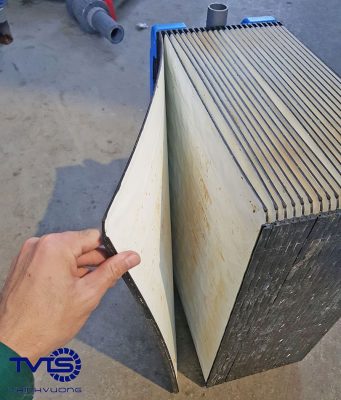
The MBR membrane system upgrades the traditional activated sludge process (CAS). In this process, engineers immerse the MBR membrane module directly in the Aerotank or install it in a separate tank to improve treatment efficiency and water quality.
Advantages of Using MBR Membrane
The MBR membrane completely separates dirt and microorganisms, eliminating the need for a secondary settling tank and disinfection tank. This design also reduces the biological tank area by up to 50%.
An MBR membrane system operates easily and sets itself up automatically. A flow meter controls the clean water flow through the suction pump to maintain stable performance.
The system runs a fully automatic suction and washing cycle through on/off electric valves. Operators no longer need to measure the SVI index daily—a key parameter in conventional processes—helping save labor and improve efficiency.
RO Membrane Technology
RO membrane technology delivers the highest water treatment performance. It can reduce the total dissolved solids (TDS) level to around 300–500 ppm. When users require ultra-pure water with TDS below 5 ppm, additional technologies such as evaporators and ion exchange systems work together to achieve that purity.
3.6 Evaporators
Evaporators are devices that use fuel to boil the solution to form steam and obtain pure water. The heat generated during the process can be used for thermal needs in many different fields.
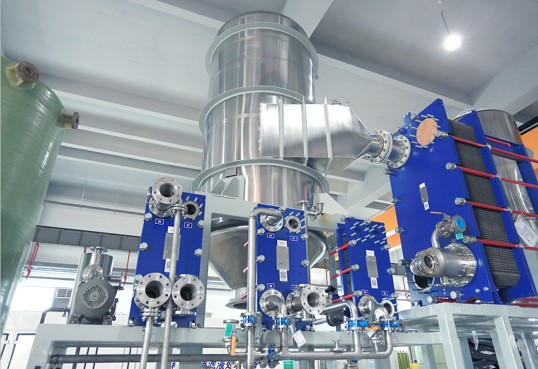
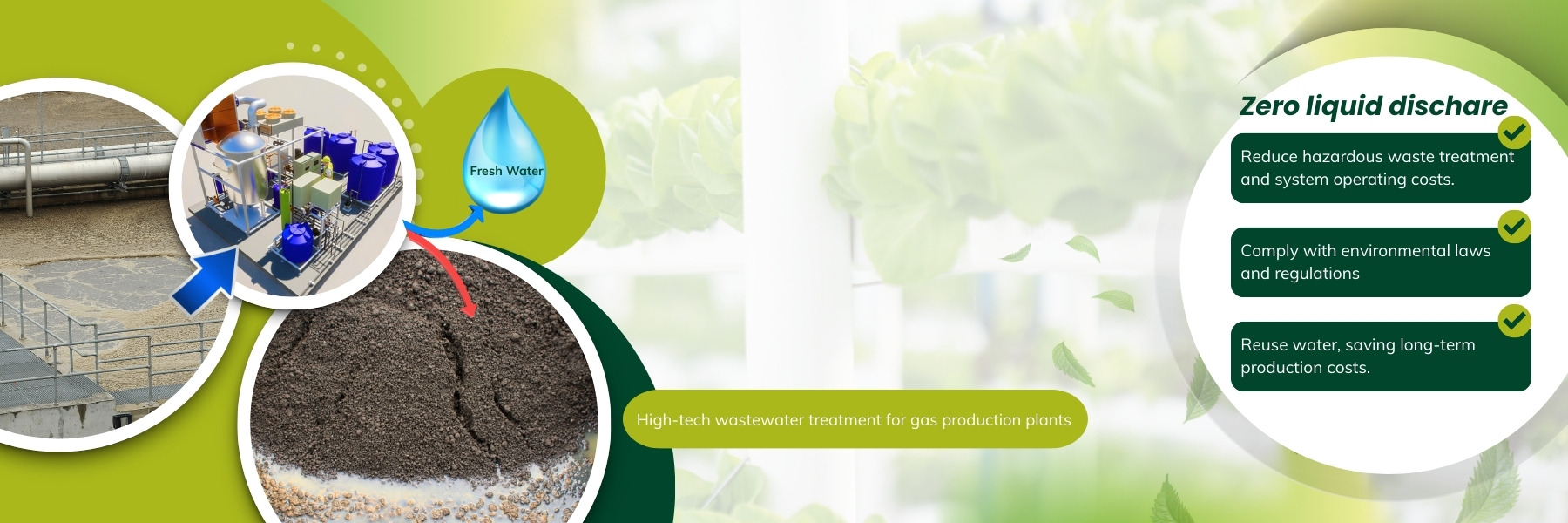
The evaporator allows the separation of liquid waste into pure clean water and solids. Therefore, after the water treatment process with the evaporator, there will be no more wastewater to be further treated.
The advantage of the technology is that the quality of the water after treatment is super clean, close to distilled water.
However, the disadvantage is that the investment cost of the evaporator is quite high. The evaporator is mainly applied by manufacturing units in the Zero liquid discharge – ZLD process (no liquid discharge).
3.7 Ion exchange technology
DI (Deionization) ion exchange uses resin beads to purify water. The process follows the principle that opposite ions attract each other. During treatment, the resin beads release their own ions and capture impurity ions from the wastewater. As a result, the resin replaces unwanted ions in the water with cleaner ions, producing high-purity water.
3.7.1 Common ions in raw water
| Cations | Anions |
| Calcium (Ca2+) | Chloride (Cl-) |
| Magnesium (Mg2+) | Bicarbonate (HCO3-) |
| Sodium (Na+) | Nitrate (NO3-) |
| Potassium (K+) | Carbonate (CO32-) |
| Iron (Fe2+) | Sulfate (SO42-) |
The ion purification process in water will make the water of very high quality. There are two common types of water ionizers: two-bed or mixed-bed.
3.7.2 Advantages of ion exchange technology
- Ion exchange resin for water softening can be regenerated, high softening efficiency.
- Water softening equipment is easy to use, automatic operation.
- Low cost, high economic efficiency due to the regeneration of ion exchange resin.
4. Wastewater reuse system by TVTS
Each type of technology and service provider has its own strengths. Choosing a reputable wastewater treatment technology and supplier to achieve your wishes will be very difficult. Because reality will always differ from theory.
Understanding the difficulties that customers and investors are facing. We have spent many years researching and evaluating experimental wastewater treatment technologies. We have been providing effective solutions for each project in Vietnam.
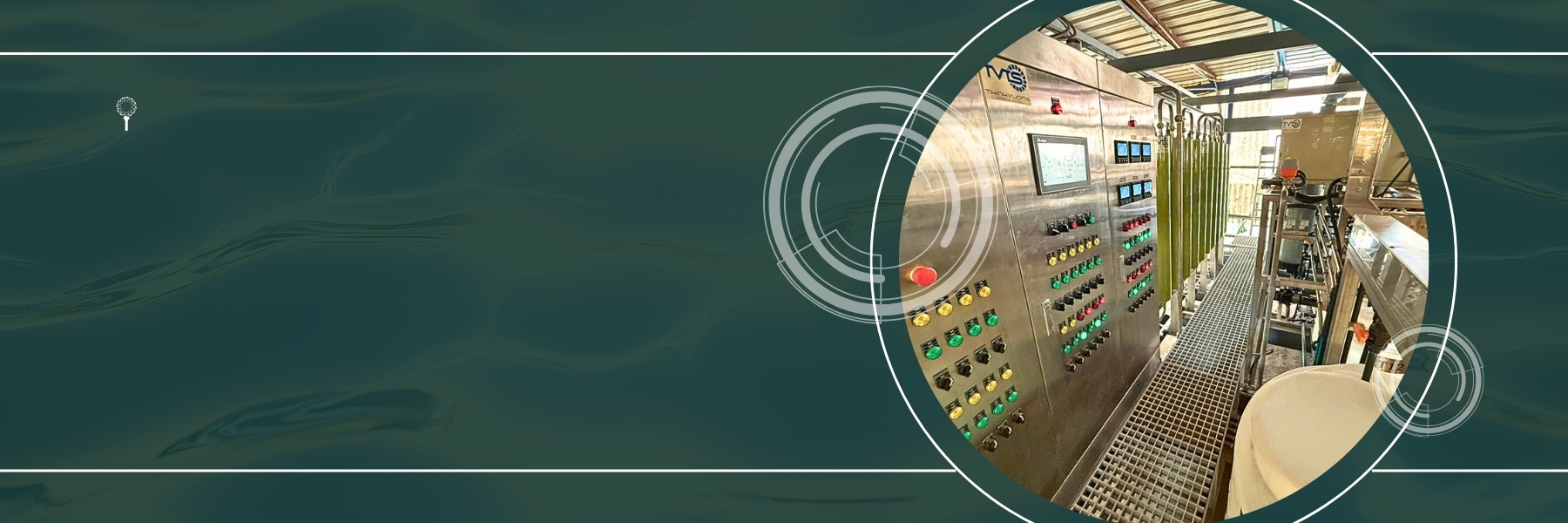
Diverse cooperation with RO membrane suppliers. Allowing TVTS to easily adapt to existing wastewater treatment systems of factories. Understanding the techniques and features of product lines. We can easily upgrade, replace, and maintain wastewater treatment systems for your factory.
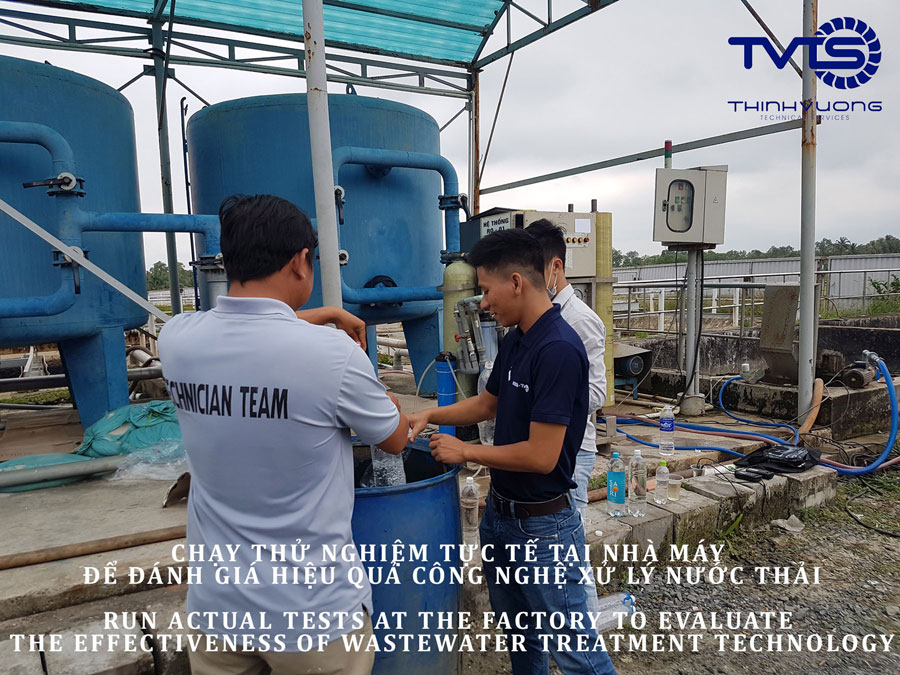
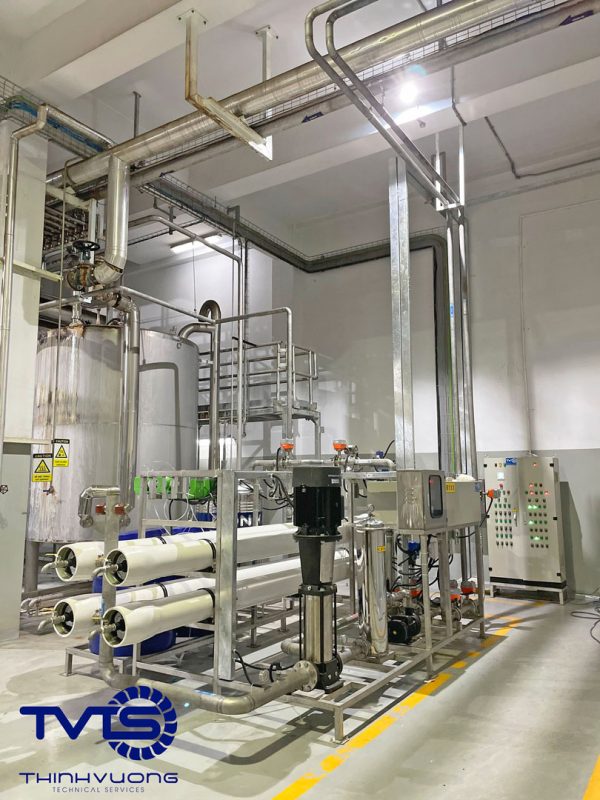
Each wastewater treatment system is carefully researched and designed by TVTS. We use mini systems (Pilot) to test wastewater at the factory. From there, provide the most specific analysis and assessment. Develop design and installation plans suitable for each factory.
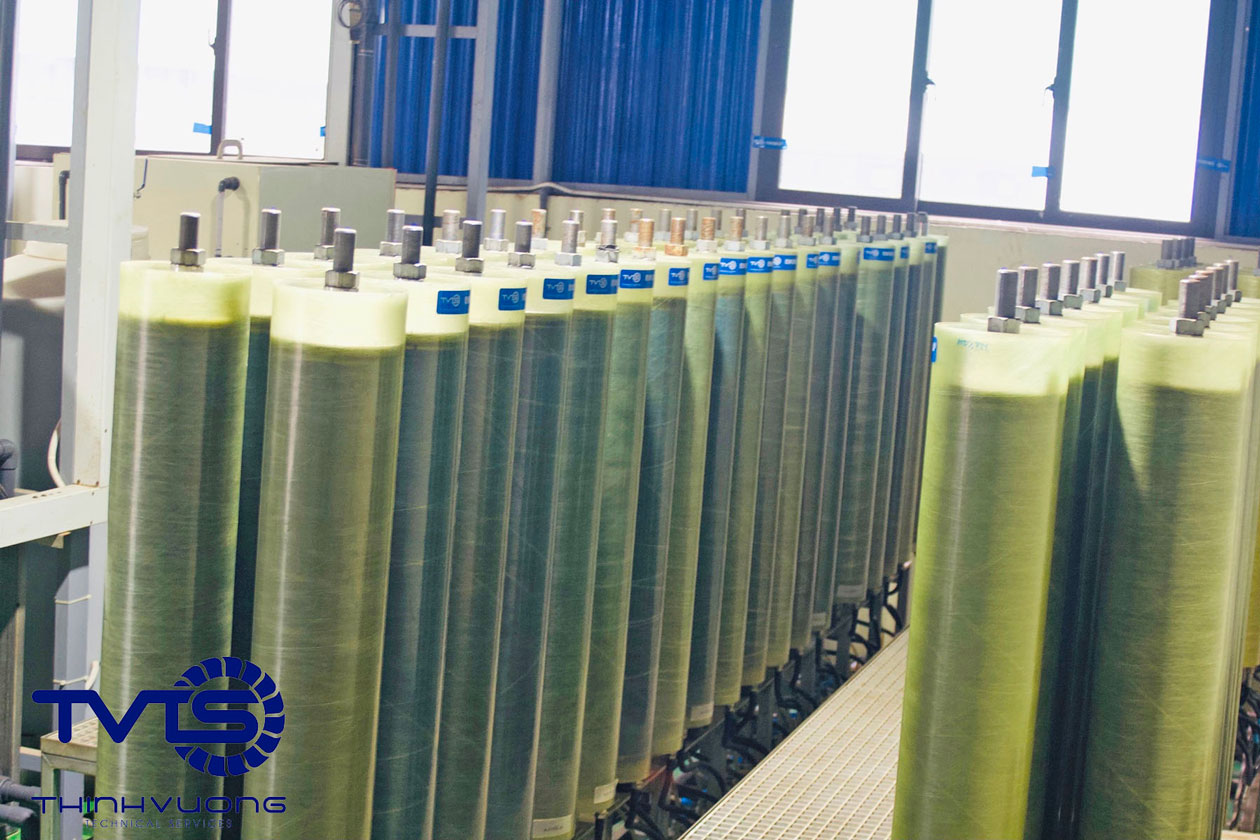
TVTS always focuses on the details and large and small parts in the wastewater reuse system. Ensuring technical standards on: electrical safety, fire prevention, material corrosion resistance, environmental hygiene and safety, etc.
4.1 Typical Applications
Currently, the wastewater reuse technology process at TVTS has brought many successes in the factories we have implemented. It meets the water circulation requirements for a number of manufacturing industries such as:
4.1.1 Reuse of wastewater in industry
| Thermal power industry | Usually there is no reuse. |
| Textile dyeing | Meets standards for production processes: cooking, washing, bleaching, buffing, dyeing, printing, etc. |
| Paper production | Cooking process, washing after cooking, washing equipment, washing floors…. |
| Plating | Serving production, cleaning metal surfaces. |
| Electronics | Washing of electronic components, washing of semiconductor components in production, cleaning or etching, oxidation of silicon surfaces, plating preparation, etc. |
| Beer, food, beverage | Cooking, saccharification, brewing, fermentation, cleaning, …. |
| Pharmaceuticals | Meet standards for production processes: Boilers, autoclaves for sterilizing injections – eye drops, rinsing bottles, machines, ….4.1.2 Tái sử dụng nước thải sinh hoạt |
Domestic wastewater after water treatment processes can be used to maintain green areas, fire prevention, road cleaning, entertainment, etc.
4.1.3 Other wastewater reuse
| Hazardous wastewater (wastewater discharged from manufacturing processes that create hazardous waste, solder cleaning, electronic circuit board manufacturing, etc.) | Civil activity. |
| Leachate (wastewater collected from landfills of domestic waste, industrial waste, etc.) | Civil activity. |
| And difficult-to-treat wastewater groups have TDS indexes up to 100,000 ppm | Civil activity. |
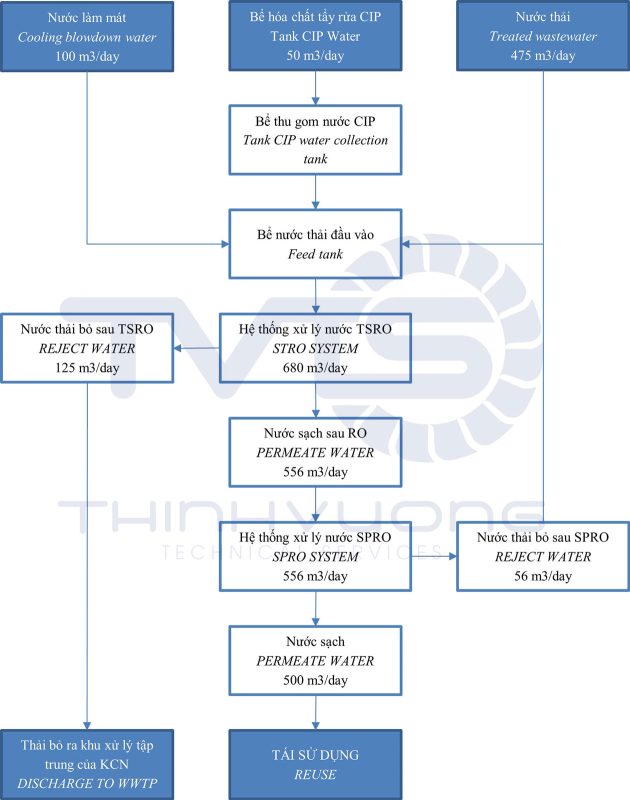
4.2 Technological process of wastewater reuse at a project implemented by TVTS
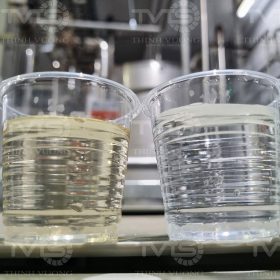
We mention the process of reusing the condensate of the coffee evaporator in the freeze-dried coffee factory in Vietnam.
The wastewater after being treated must meet the standard QCVN 01-1: 2018 BYT.
4.3 Benefits of TVTS Solutions: Investment and operating costs of industrial wastewater treatment systems that meet reuse standards
A reclaimed water system costs from 9,000,000 VND for every cubic meter of clean water. The cost increases as the wastewater becomes more complex and as the required output water quality rises.
TVTS designs and installs advanced reclaimed water systems using modern, durable equipment. We source all components directly from leading global manufacturers in the United States, Germany, Italy, the United Kingdom, France, Japan, and other industrial countries.
When requested for each wastewater treatment project, TVTS will work with customers to plan Capex and Opex, as well as evaluate the efficiency of the system investment. We see that the larger the water treatment capacity, the higher the long-term investment efficiency of the system.
5. What is the significance of reusing wastewater?
In economics, reclaimed water system helps save costs for water use, investment costs for water treatment systems supplying water to the production process and wastewater treatment costs.
A water treatment system that meets the standards for reuse and returns to the input of the production process also saves costs for water treatment, tank installation area and costs for discharging wastewater to centralized treatment areas in industrial parks and export processing zones.
In general, the values that water and wastewater reuse brings:
- Save production and operating costs, invest effectively.
- Build products with environmentally friendly brands.
- Protect clean water sources and water ecosystems, environment.
- Minimize the development and exploitation of new water sources.
- Promote the development of circular economy, clean energy.
6. Regulations and standards for reclaimed water system
Decree 80/2014/ND-CP, Article 24, requires that wastewater reuse comply with Vietnam’s national technical standards (TCVN) and national technical regulations (QCVN). Recycled water may be used for various purposes, provided it does not harm human health and ensures environmental hygiene and safety.
The following TCVNs and QCVNs apply depending on the intended use of recycled water:
| Purpose | Water quality standards |
| Watering plants | Column B1, QCVN 08-MT:2015/BTNMT. |
| Toilet water | QCVN 01-01:2018/BTNMT. |
| Industrial vehicle cleaning, road washing | QCVN 40:2011/BTNMT. |
| Cooling factory cooling tower | QCVN 01-01:2018/BTNMT. |
| Fire protection system | Depending on the factory’s fire protection system, the fire protection system’s water pipes will usually be placed in the biological pond where clean water is stored after the treatment system.Bên cạnh đó, Dự thảo mới về quản lý tài nguyên nước năm 2023 có quy định mới trong tuần hoàn và tái sử dụng nước thải. Nêu rõ: |
- The Draft Law supplements in Article 58: regulations on wastewater circulation and reuse at 3 levels:
- Recommended application.
- There is a roadmap for application and mandatory application.
- Suitable for socio-economic development conditions in each period.
- Articles 58, 69 and 60: supplement preferential policies, encourage the use of circulating water, reuse of wastewater at.
(Source: People’s Newspaper)
7. Some other contents related to the issue of reclaimed water system in Vietnam
| Procedures for applying for a license to reuse wastewater | Contact hotline |
| Sample wastewater reuse system operation log | Contact hotline |
| Search for books on wastewater treatment and reuse | See |
| P&ID drawing of coffee wastewater treatment project | Contact hotline |
Wastewater Reuse News

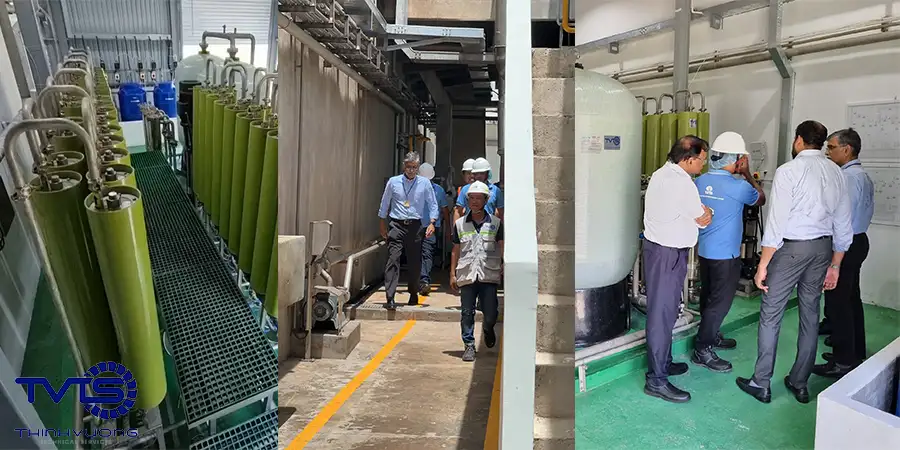
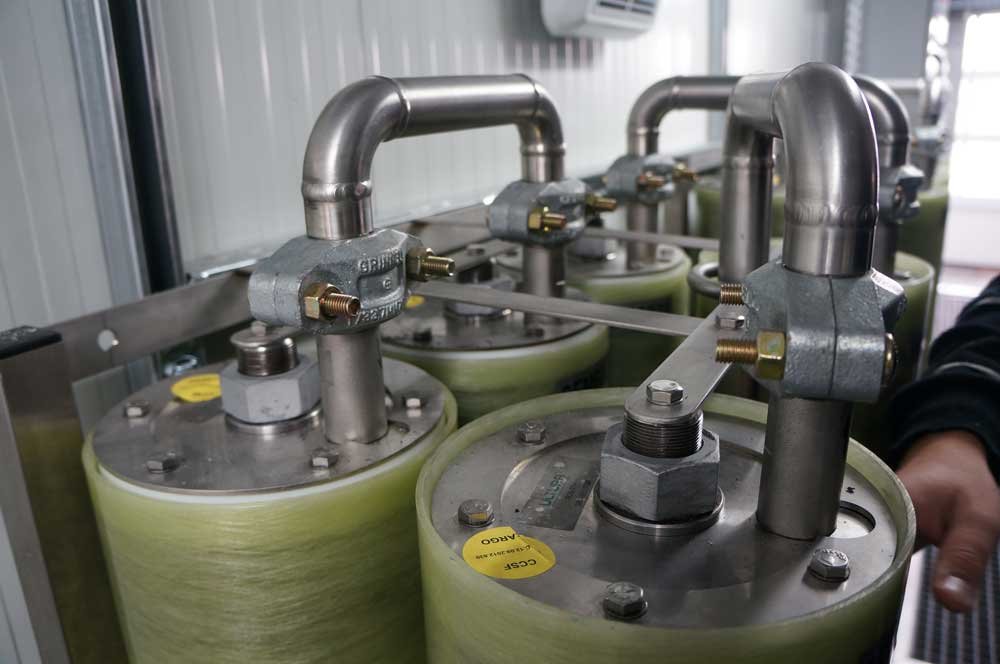
Some of the projects we have been and are doing