Nội dung
- TVTS Explores a 2,000 m³/day Wastewater Treatment Project for a Waste-to-Energy Plant in Ho Chi Minh City
- From a South American Leachate Project to a Waste-to-Energy Wastewater Challenge in Vietnam
- Waste-to-Energy Plant Wastewater Treatment: More Than Just a Capacity Challenge
- Technology May Change, But Professional Responsibility Remains Constant
- A Long Journey Built on Professional Dedication
- TVTS Continues Its Mission of Giving Wastewater a New Life
TVTS Explores a 2,000 m³/day Wastewater Treatment Project for a Waste-to-Energy Plant in Ho Chi Minh City
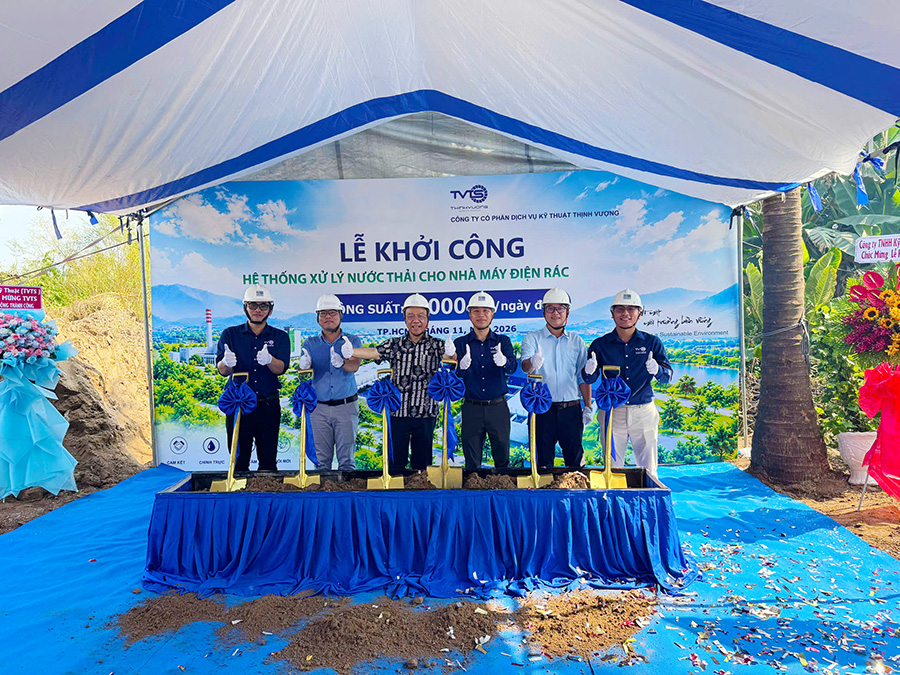
From a South American Leachate Project to a Waste-to-Energy Wastewater Challenge in Vietnam
In recent years, TVTS has steadily expanded its expertise in landfill leachate treatment and complex industrial wastewater management.
After participating in a large-scale leachate treatment project in South America, the TVTS engineering team gained another noteworthy opportunity, this time in Vietnam.
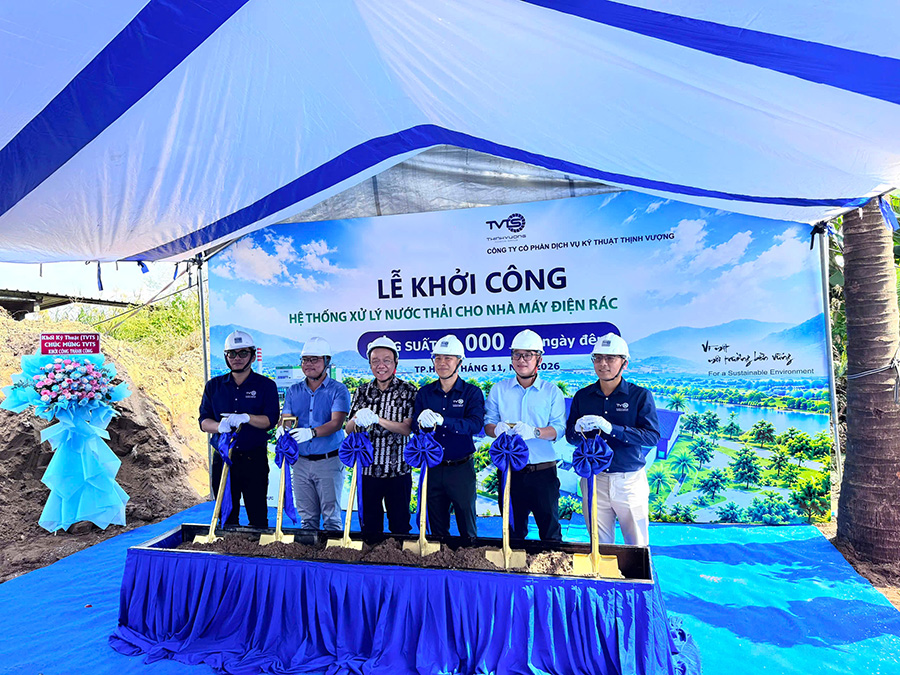
The project involves a wastewater treatment system serving a waste-to-energy facility in Ho Chi Minh City, with a total design capacity of 2,000 m³/day.
According to the project’s master plan, the waste-to-energy plant may ultimately process up to approximately 5,000 tons of municipal waste per day. Such a scale creates significant demands for wastewater collection, treatment infrastructure, and environmental management systems.
For TVTS, this is more than an opportunity to be involved in a major project. It is also a chance for the technical team to continue learning, applying practical experience, and developing solutions to real-world environmental challenges.
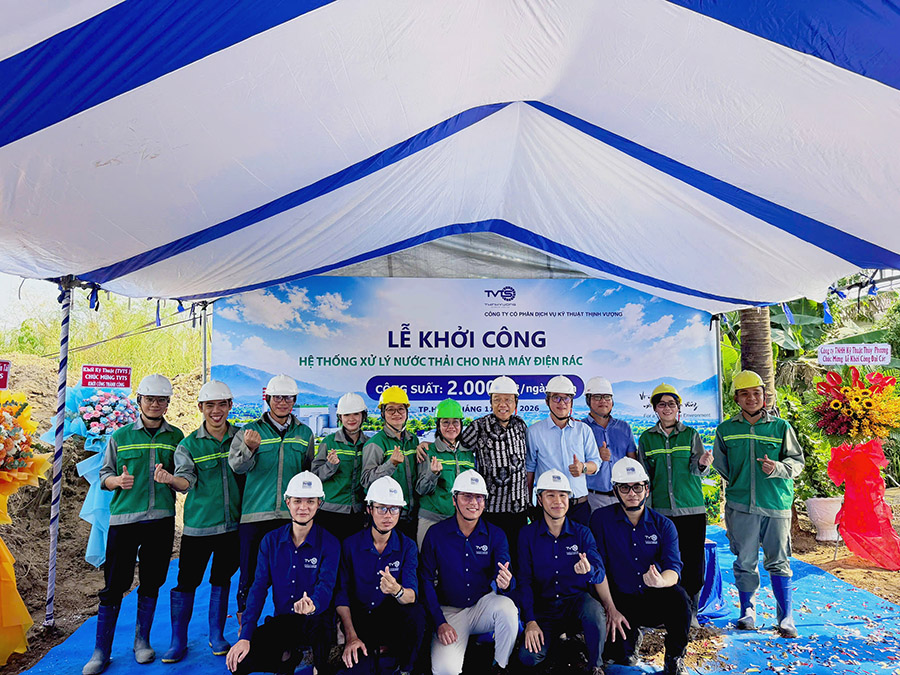
Waste-to-Energy Plant Wastewater Treatment: More Than Just a Capacity Challenge
One of the most distinctive aspects of the project lies in the complexity and diversity of its wastewater streams.
The treatment system is expected to receive wastewater from multiple activities, including waste processing, recycling operations, and hazardous waste treatment processes. In addition, landfill leachate generated from waste storage and disposal areas presents its own unique treatment requirements.
Each wastewater stream may carry different pollution profiles. Organic contaminants, ammonia, salinity, heavy metals, and refractory compounds can vary significantly depending on the source.
As a result, selecting the appropriate treatment technology cannot be based solely on treatment capacity.
Engineers must carefully evaluate the characteristics of each wastewater stream, expected load fluctuations, and actual operating conditions. Only then can an effective and sustainable treatment strategy be developed.
For a facility designed to treat 2,000 m³ of wastewater per day, operational reliability and long-term cost efficiency are equally important considerations.
This is why TVTS views site investigation and wastewater characterization as essential first steps in every project.
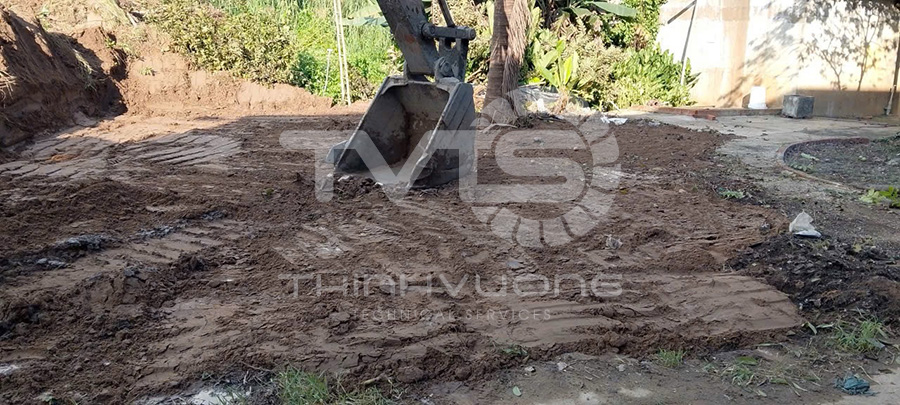
Technology May Change, But Professional Responsibility Remains Constant
The water and wastewater treatment industry continues to evolve rapidly.
Technologies once considered adequate may require improvement as environmental standards become increasingly stringent. Industrial facilities are also placing greater emphasis on energy consumption, chemical usage, sludge generation, and water reuse opportunities.
At TVTS, mastering technology does not mean applying the same familiar solution to every project.
More importantly, it means understanding the nature of the wastewater, selecting the right treatment technologies, and integrating them effectively into a complete process solution.
Every cubic meter of wastewater treated efficiently carries meaningful environmental value. It represents reduced pollution, improved water quality, and a healthier ecosystem for future generations.
 |  |
A Long Journey Built on Professional Dedication
From domestic projects to international assignments in South America, TVTS continues to expand its geographical reach and strengthen its technical capabilities.
Behind every treatment capacity and project milestone, the TVTS team carries out the daily responsibilities of environmental engineers.
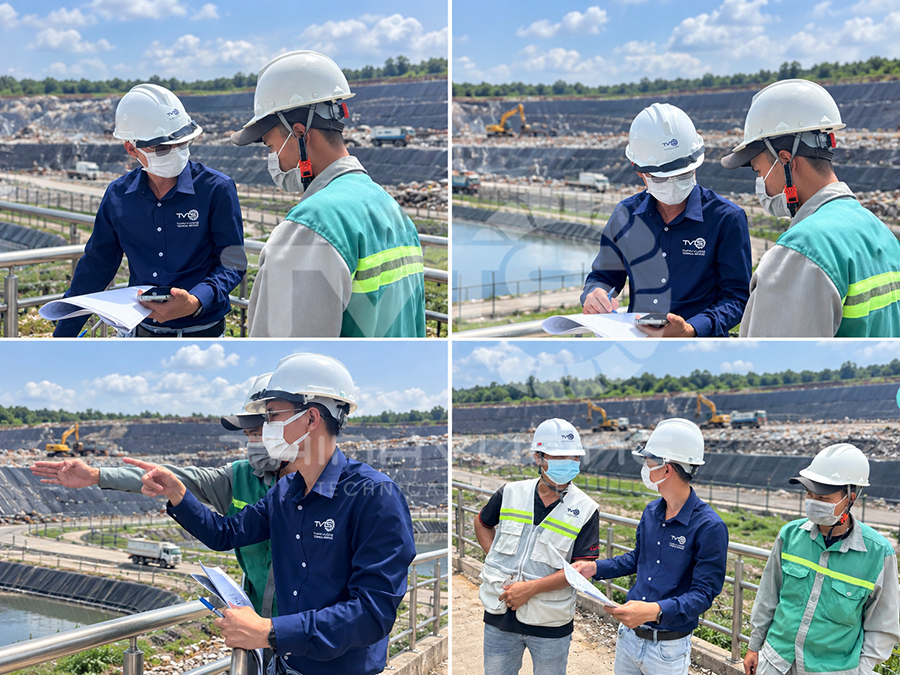
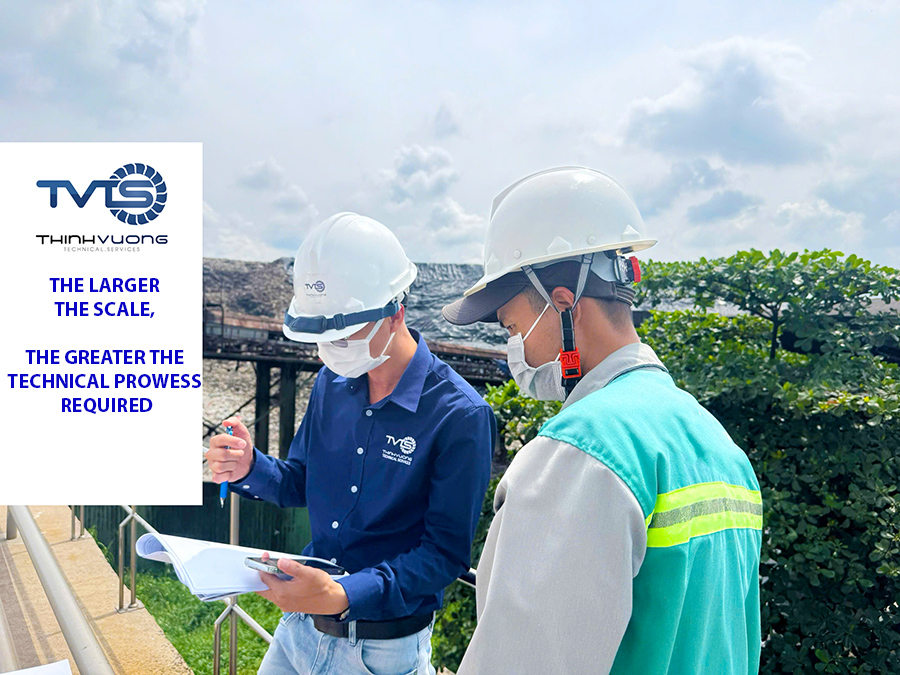
The team conducts site investigations, collects wastewater samples, performs laboratory analyses, evaluates treatment processes, and discusses technical solutions as part of its routine work. In many projects, engineers refine treatment solutions multiple times to ensure they meet actual operating conditions and performance requirements.
Through years of practical experience, TVTS has learned that achieving sustainable growth requires perseverance, continuous improvement, and the ability to overcome challenges.
Some projects become notable successes. Others bring difficult lessons that require significant investments of time, effort, and perseverance.
Despite these realities, we continue to hold a simple belief:
By remaining dedicated, professional, and committed to the true values of water treatment engineering, society will ultimately recognize and appreciate the work we do.
This philosophy continues to guide TVTS on its journey forward.
We remain committed to learning, improving, and delivering better water and wastewater treatment solutions for our clients every day.
TVTS Continues Its Mission of Giving Wastewater a New Life
The 2,000 m³/day wastewater treatment project for the waste-to-energy plant in Ho Chi Minh City presents a new technical challenge for the TVTS team.
Drawing upon experience in landfill leachate treatment, hazardous wastewater management, and water reuse solutions, TVTS will continue to evaluate technologies and develop approaches that align with the project’s practical requirements.
There is still much work ahead. However, every opportunity to engage with a complex environmental challenge strengthens our technical expertise and drives continuous improvement.
For TVTS, growth is not defined solely by participation in larger projects. It is equally measured by our ability to solve more difficult environmental problems through responsibility, integrity, and a genuine commitment to our profession.