Nội dung
1. Microplastics in Landfill Leachate and Where They Come From
When people think about microplastics, they often picture plastic bags, bottles, or tiny plastic particles. Microplastics are commonly associated with marine pollution, plastic waste, and their impact on aquatic ecosystems. However, have you ever wondered whether landfill waste can also generate microplastics?
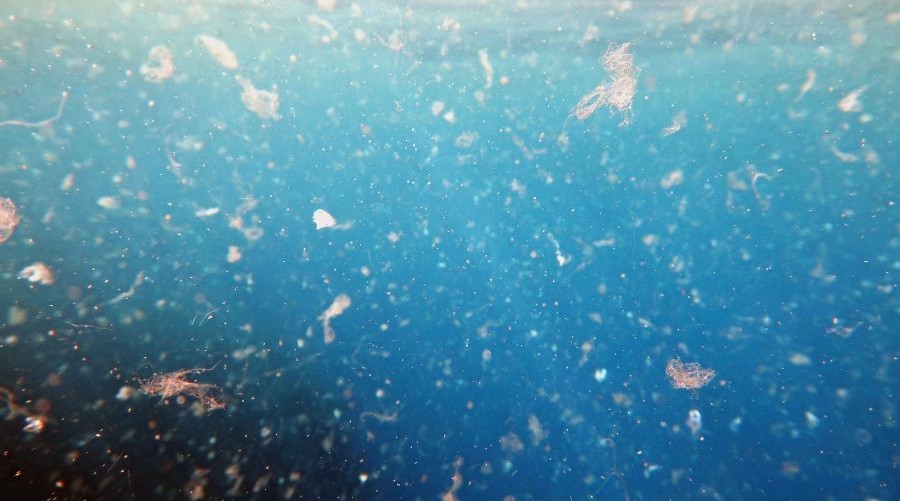
Microplastics Are Everywhere
In reality, microplastics surround us and can be found in many forms:
Extremely small plastic particles used in cosmetics and personal care products (primary microplastics).
Plastic fragments generated from the breakdown of larger plastic waste under sunlight, wind, rain, seawater, and oxidation processes (secondary microplastics).
Synthetic microfibers released from clothing made from plastic-based fabrics.

Even in areas with little or no human activity, microplastics still exist. Plastic materials degrade very slowly and may persist in the environment for hundreds or even thousands of years. During this process, plastic particles continue to release harmful substances.
According to the study “Unveiling the Invisible Threat: Comprehensive Tracking of Microplastics from Landfill Leachate Treatment to Environmental Fate“ by Minh Le Tran, Sudtida Pliankarom Thanasupsin, and Songkeart Phattarapattamawong from King Mongkut’s University of Technology Thonburi, Thailand, landfill leachate represents an important and often overlooked source of microplastics.
The enormous amount of plastic consumed worldwide every day contributes directly to the formation of microplastics (MPs), which are plastic particles smaller than 5 mm.
Landfills are not only storage sites for waste. They also act as significant sources of secondary microplastics. As rainwater infiltrates decomposing waste layers, microplastics can migrate into landfill leachate, which may be collected for treatment or potentially reach nearby groundwater systems.
In addition to generating secondary microplastics, landfills also receive primary microplastics through sludge discharged from wastewater treatment plants (WWTPs) (Lodh et al., 2025; Mallek and Barcelo, 2025).
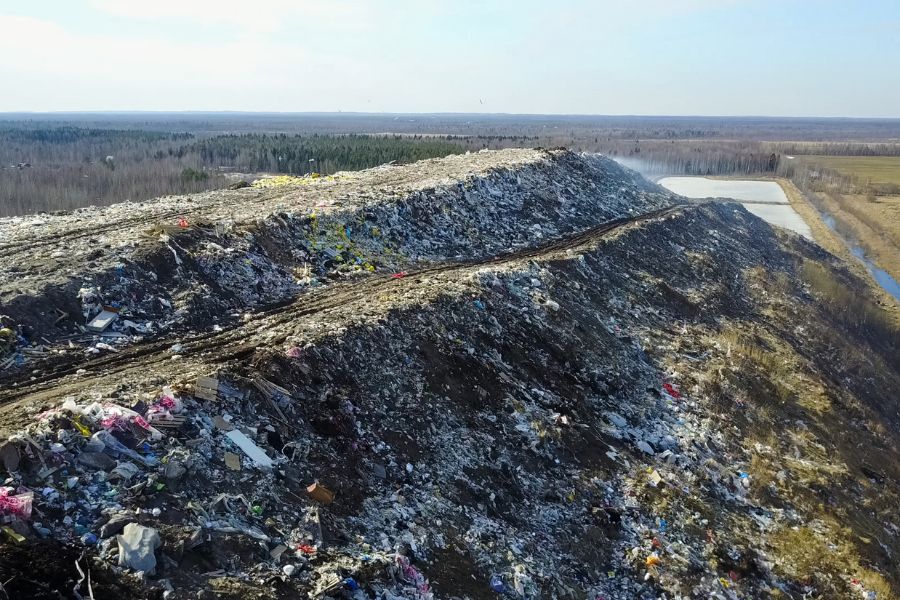
Landfills as a Major Source of Secondary Microplastics
The study found that a landfill leachate treatment process consisting of an equalization tank, sand filtration, ultrafiltration, and reverse osmosis can remove up to 98.7% of microplastics.
Key findings include:
- Microplastics in landfill leachate: 256.67 ± 2.90 particles/L
- Particle size range: 1.2 µm to more than 300 µm
- Microplastics after reverse osmosis treatment: 3.33 ± 1.58 particles/L
These findings highlight the importance of monitoring microplastics in landfill leachate. Specific regulatory requirements for microplastic concentrations in treated landfill leachate should be considered before discharge into the environment.
2. Regulations on Microplastics in Treated Landfill Leachate
In Vietnam, the current landfill leachate regulation, QCVN 25:2009/BTNMT, does not specify a limit value for microplastics in treated landfill leachate.
Most countries around the world are focusing on reducing plastic pollution and marine microplastics. However, few regulations currently establish specific limits for microplastics in landfill leachate.
In practice, microplastics have been present in landfill leachate for many years, but they have only recently received significant attention from researchers and regulators.
At the same time, properly designed landfill leachate treatment systems that comply with national discharge standards already remove more than 90% of microplastics in most cases.
Completely eliminating microplastics from landfill leachate remains a major technical challenge and an ongoing area of research.
3. Monitoring Microplastics in Treated Landfill Leachate at TVTS Projects
TVTS is currently monitoring microplastic concentrations in treated landfill leachate at selected projects.
Testing results will be analyzed by accredited laboratories and national testing centers. The data will be continuously updated and published through the reference link provided.